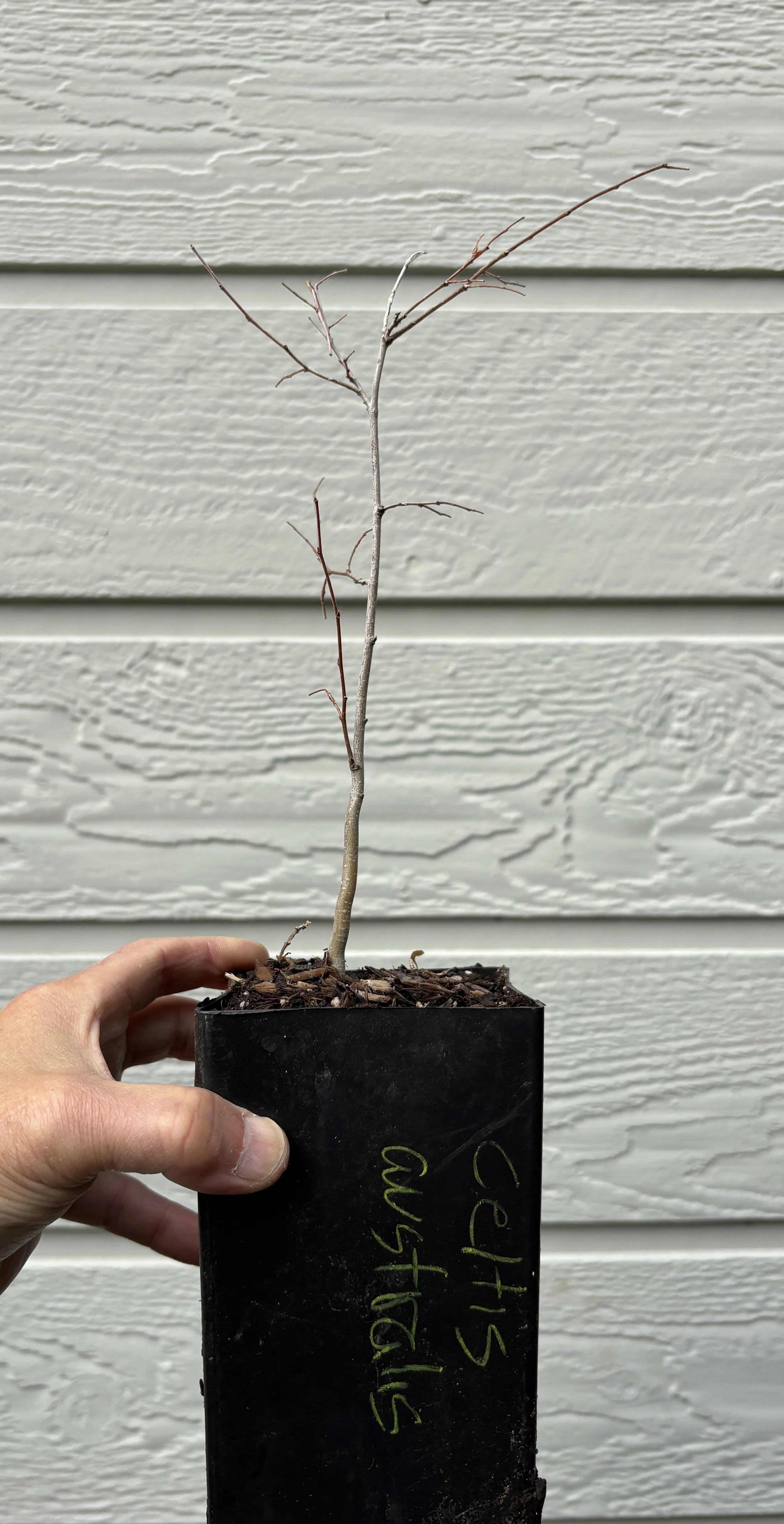
Celtis Australis (Hackberry), #2534
Cedar Rose Nursery start, Dec 17, 2025.
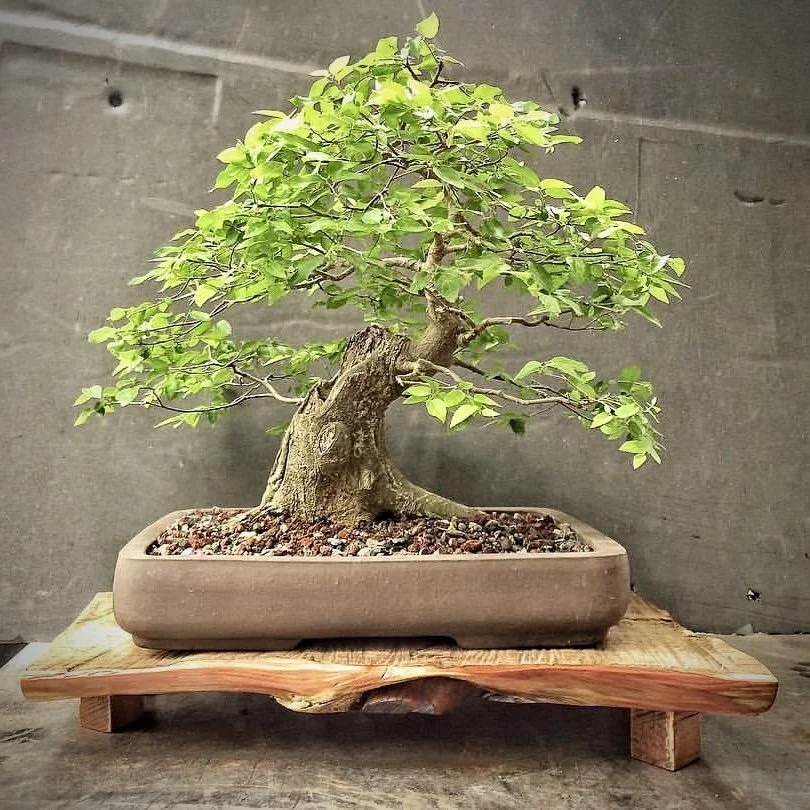
“Celtis (Hackberry) originates from China and Taiwan and has a strong yet graceful trunk with neat oval leaves.” (Bonsai Today)
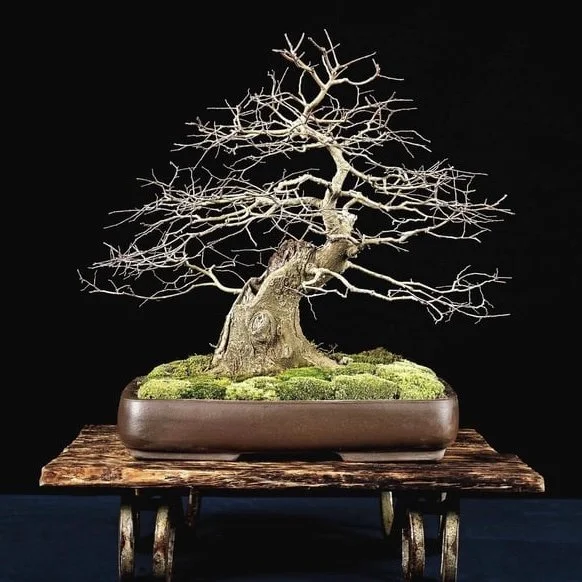
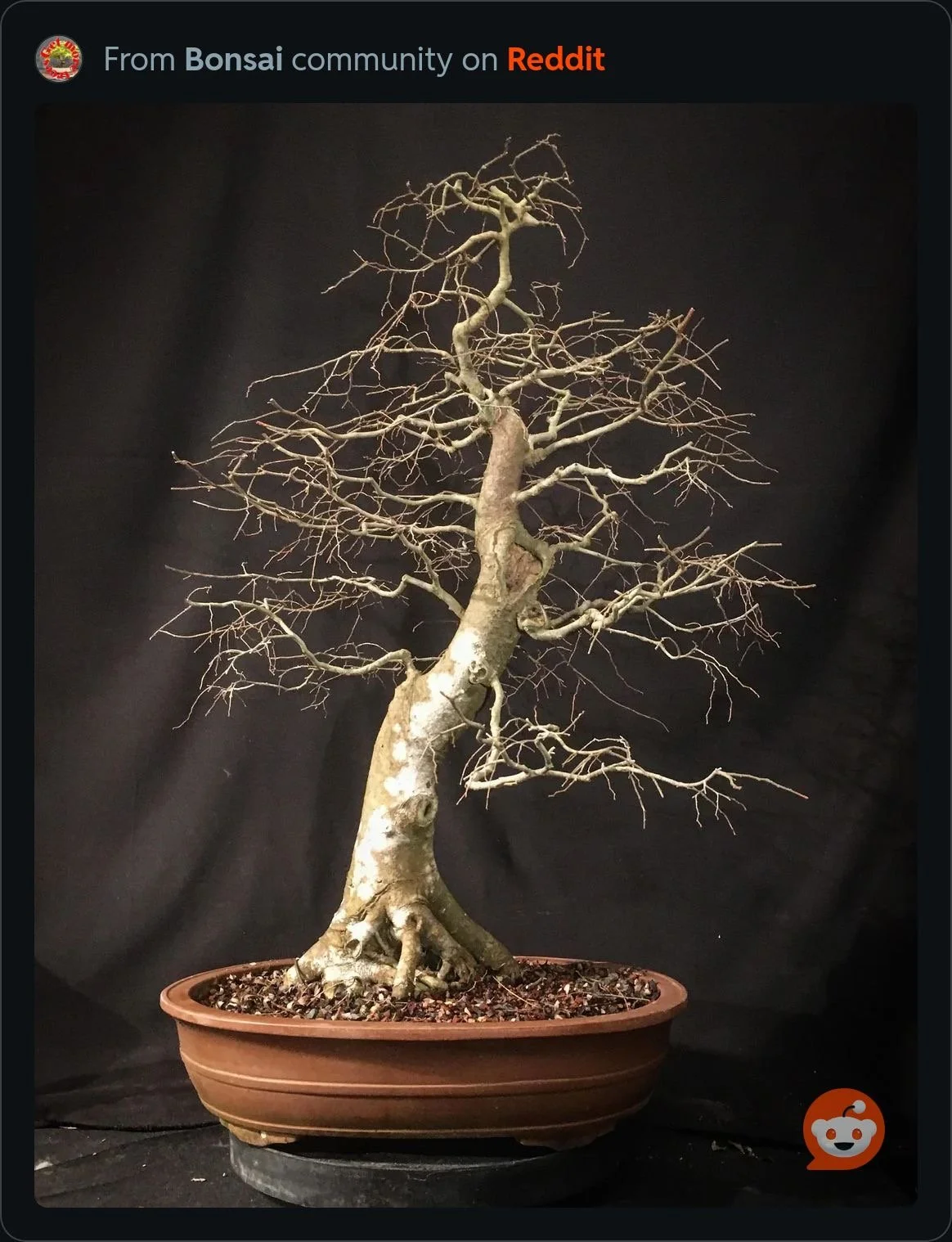
“Belongs to the Ulmaceae family, the same group as the elm. The most common species in bonsai are Celtis sinensis (Chinese) and Celtis australis (European), both of which are characterised by vigorous growth, thin ovate leaves and a good response to pruning. The Celtis is highly valued for its elegant habit, the wrinkled bark that develops with age and the dense branching, which allows for refined structures over time. It is a very hardy plant, tolerates pruning well and adapts easily to different bonsai styles, especially informal upright (moyogi), upside-down broom (hokidachi) and grove (yose-ue). It is an excellent choice for both beginners and experienced bonsai growers, with fast but well controllable growth.” (Crespi Bonsai)
“Celtis bonsai tend to produce long, rapid shoots, especially in spring. Pinching serves to keep the crown compact and stimulate fine branching. When the new shoots have produced 5-6 leaves, you can intervene by leaving only 2 or 3. The plant also responds well to multiple pinching cycles during the growing season. It is important to observe the growth rate: in particularly vigorous years, it may be necessary to pinch more frequently. Pinching is also useful for maintaining balanced proportions between the canopy and the trunk.” (Crespi Bonsai)
Wiring must be done with caution—due to thin bark.