🎖️ Inspiration Copse / Clump
Japanese bonsai defines the "clump style" as the same as the Kabudachi(or Kabubuki) style, which features three or more trunks growing from a single, unified root base, rather than separate trees planted together (Yose-Ue). It's essentially a multi-trunk style where the trunks share one root system, creating a single, dense crown of foliage, common for species that naturally grow as shrubs.
Key Characteristics of Kabudachi:
Multiple Trunks: Typically three or more trunks.
Single Root System: All trunks must emerge from one shared root base, not individual trees.
Unified Crown: The trunks combine to form a single crown of leaves.
Naturalistic: Mimics trees that grow in dense clusters in nature, often shrubs or certain maples, according to Bonsai Today.


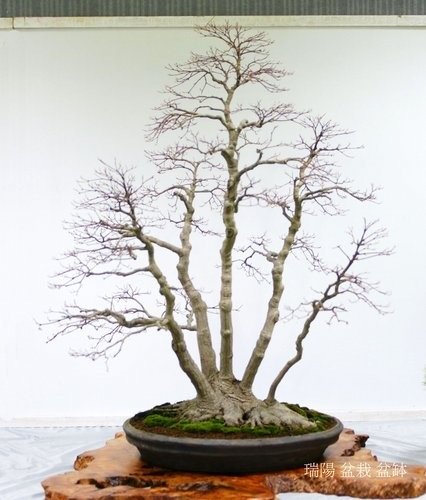
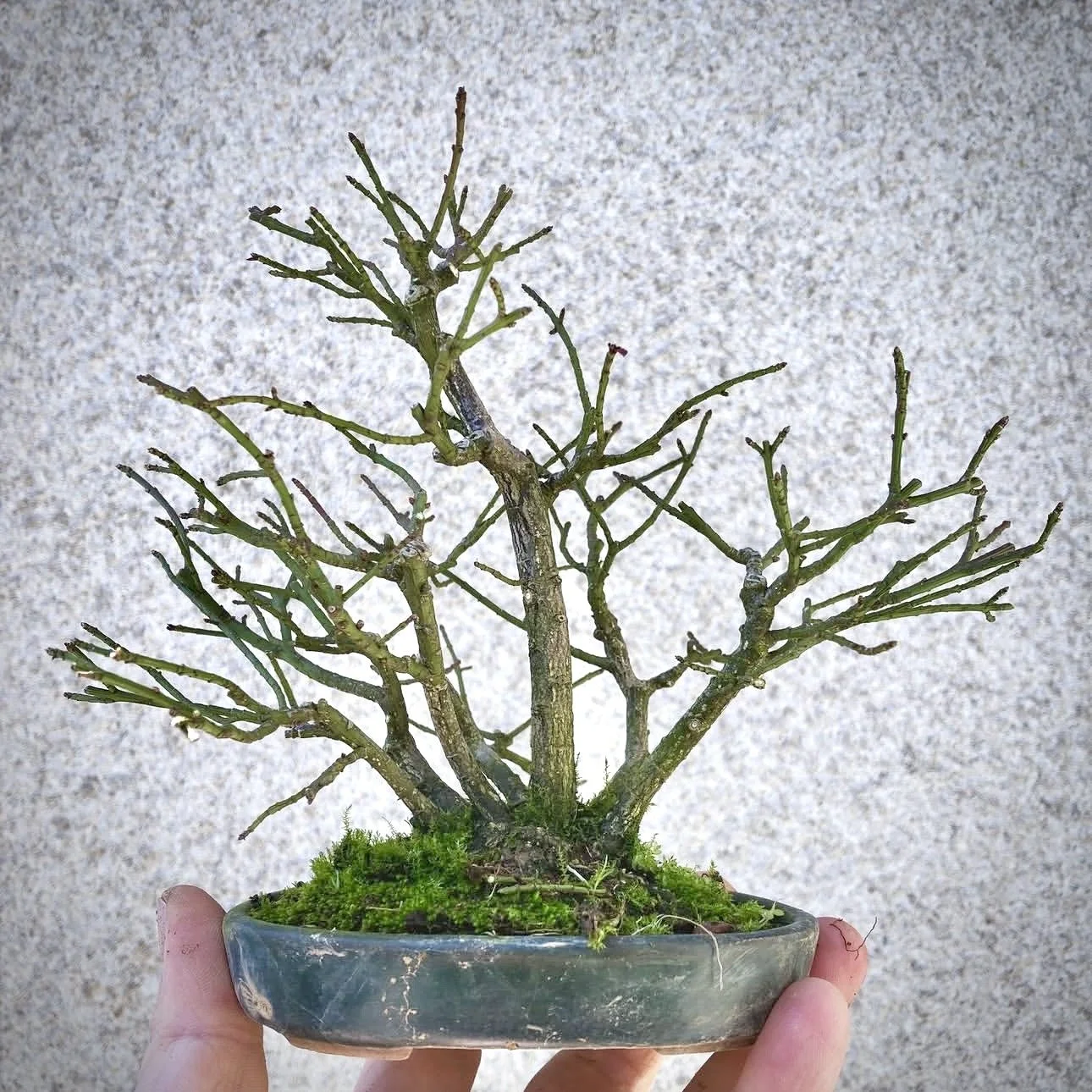
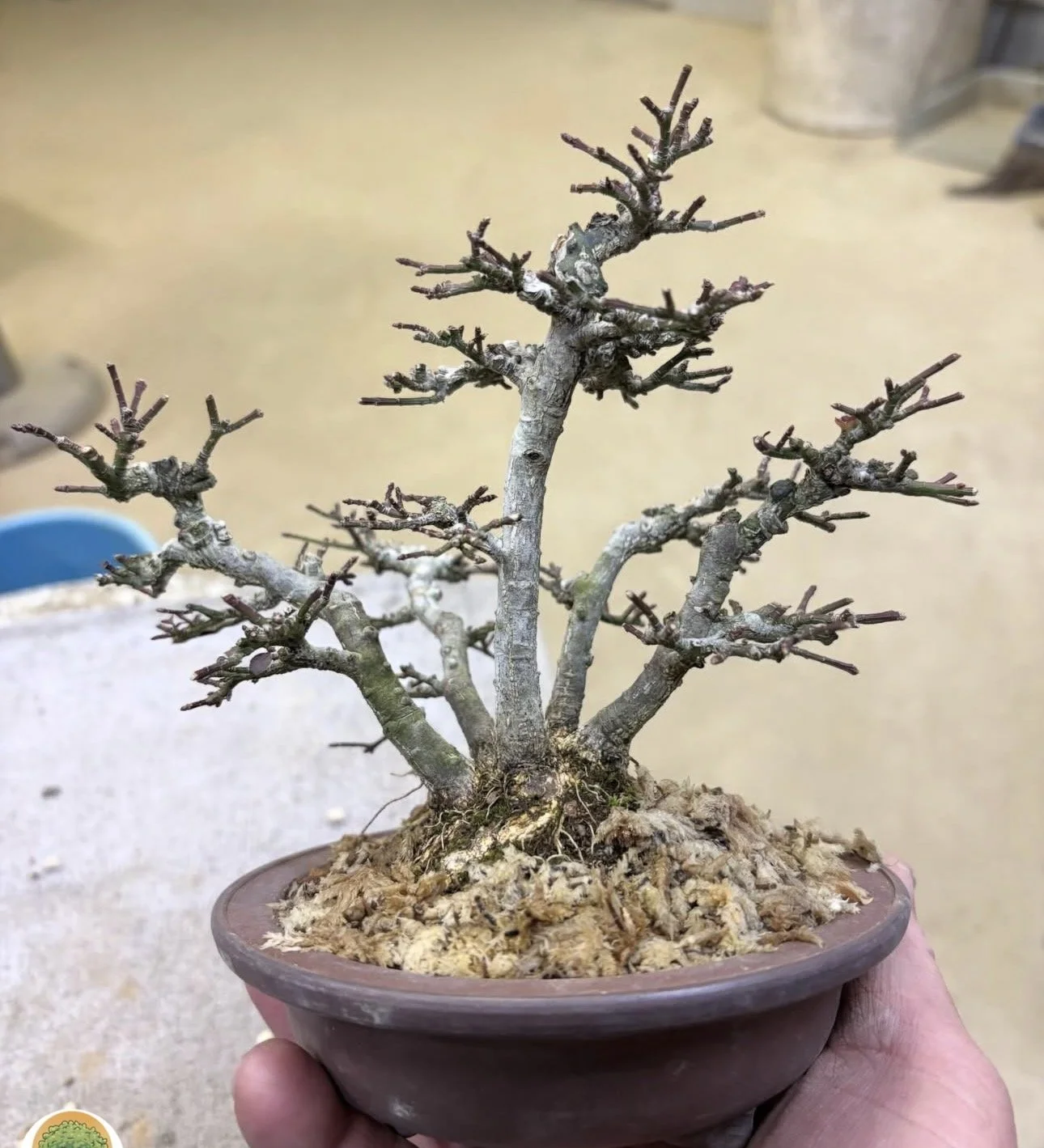
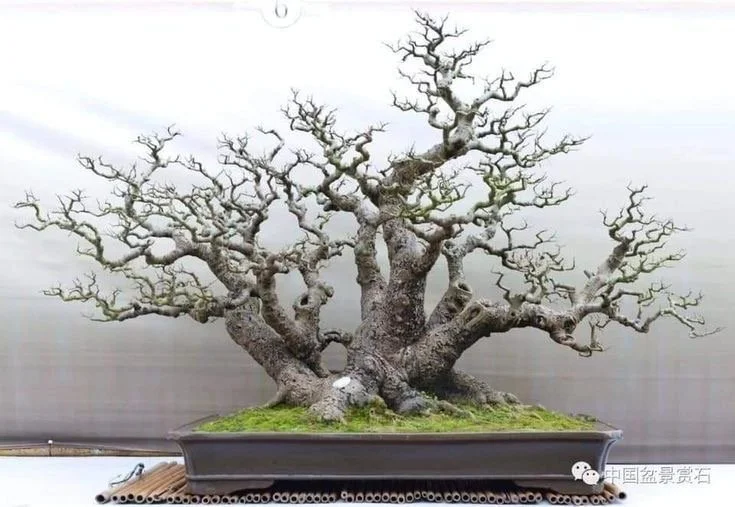
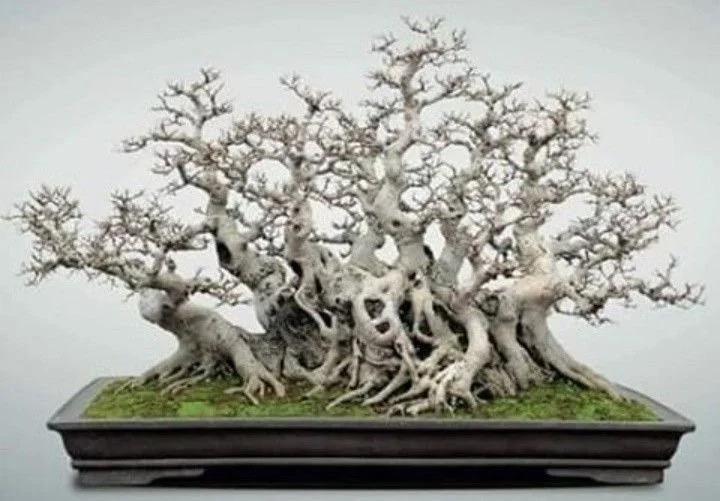
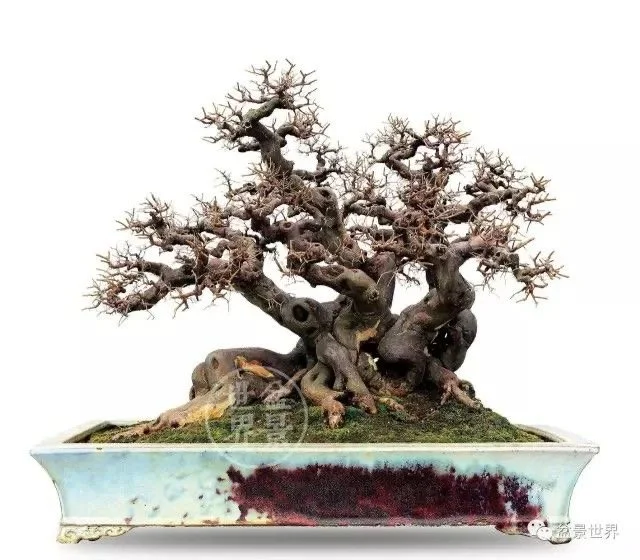
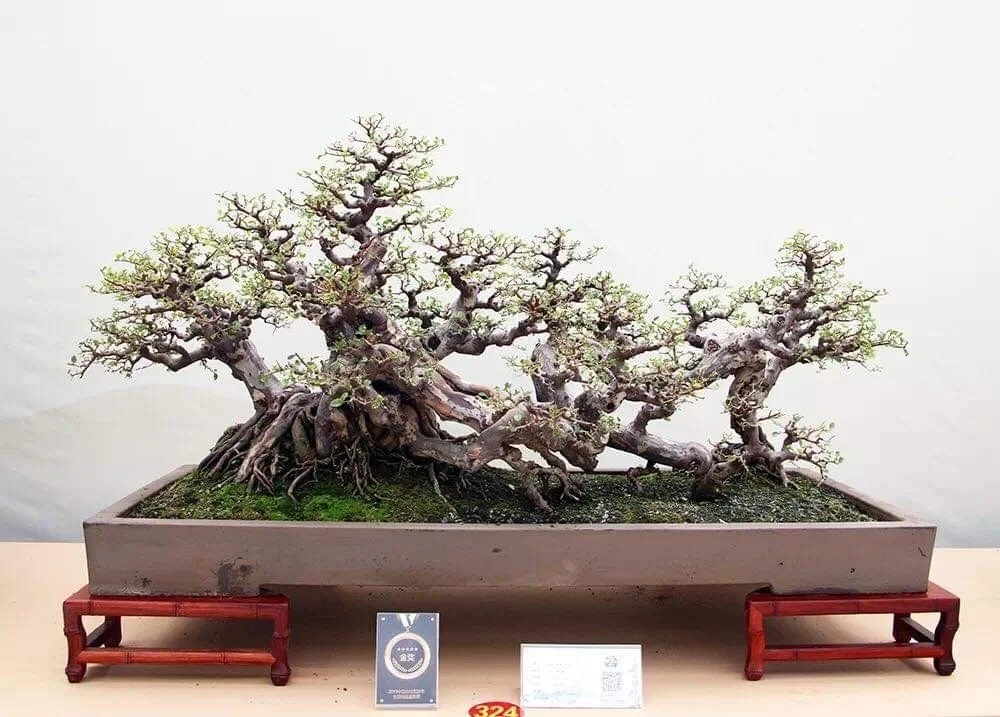
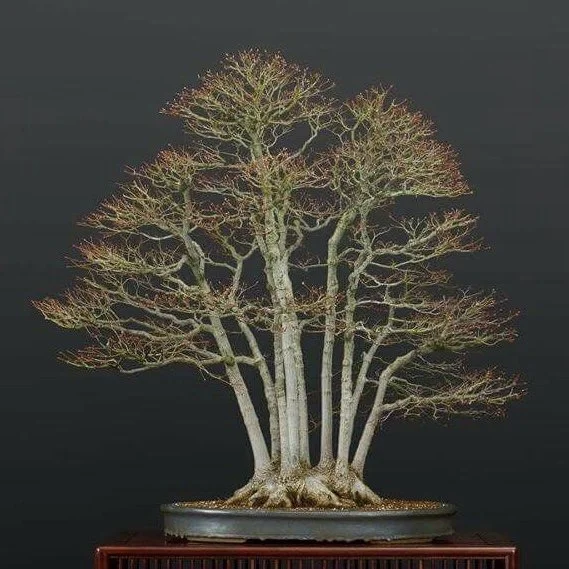
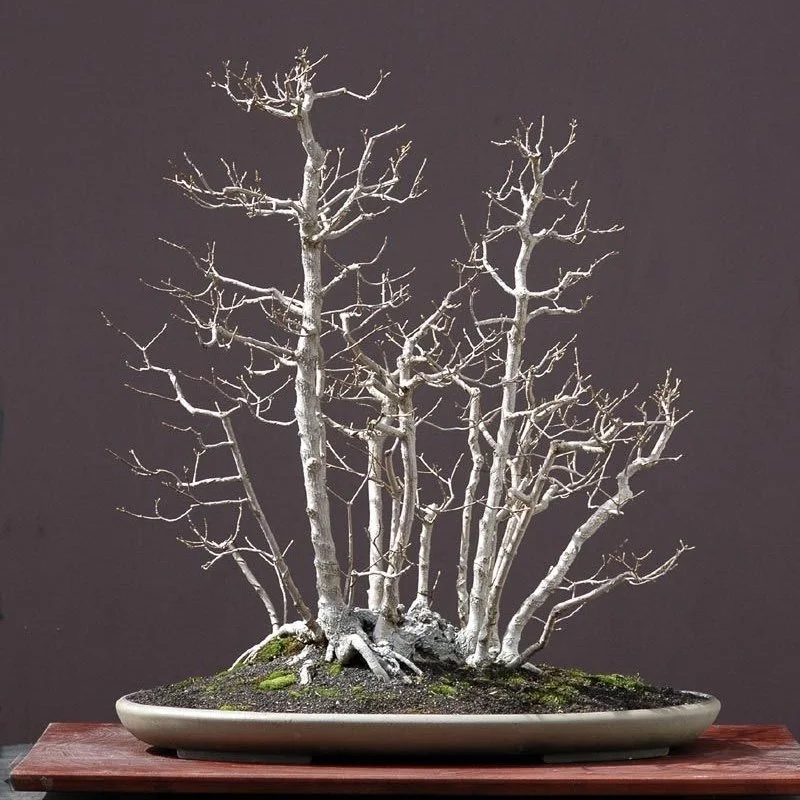
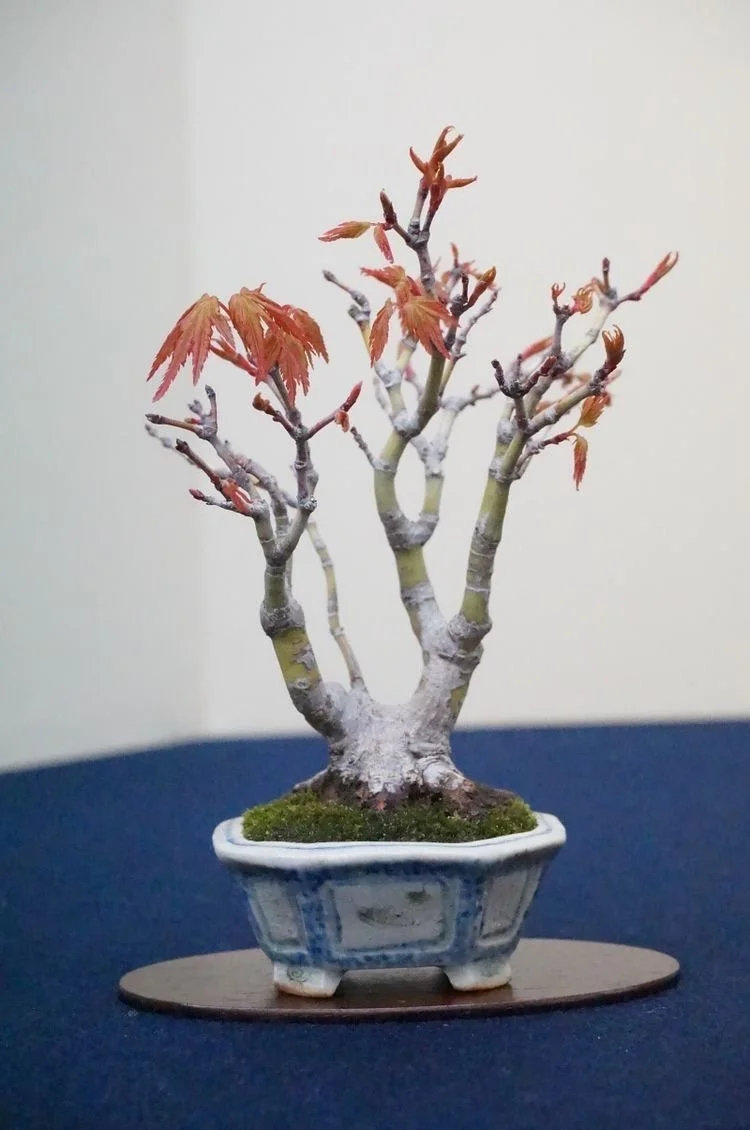
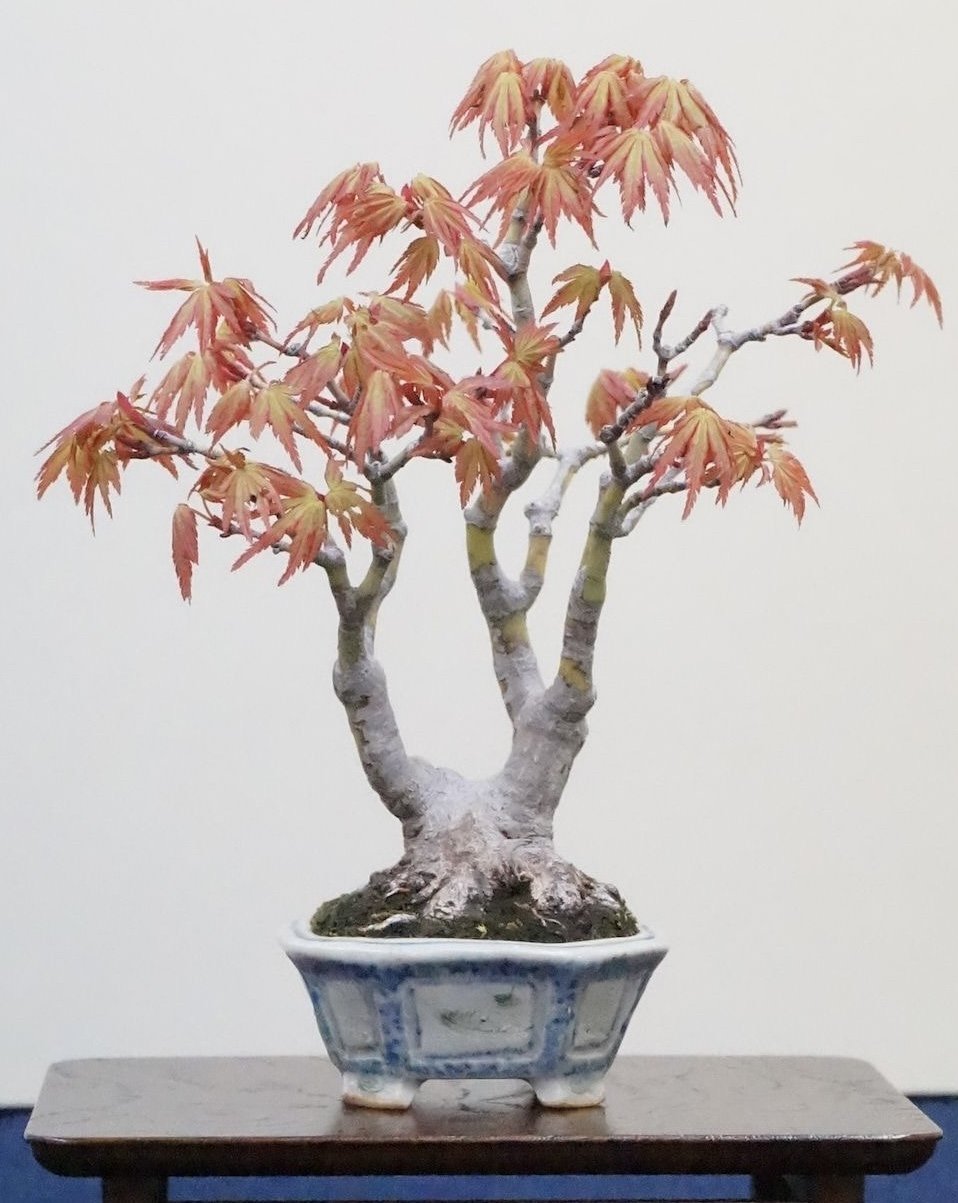
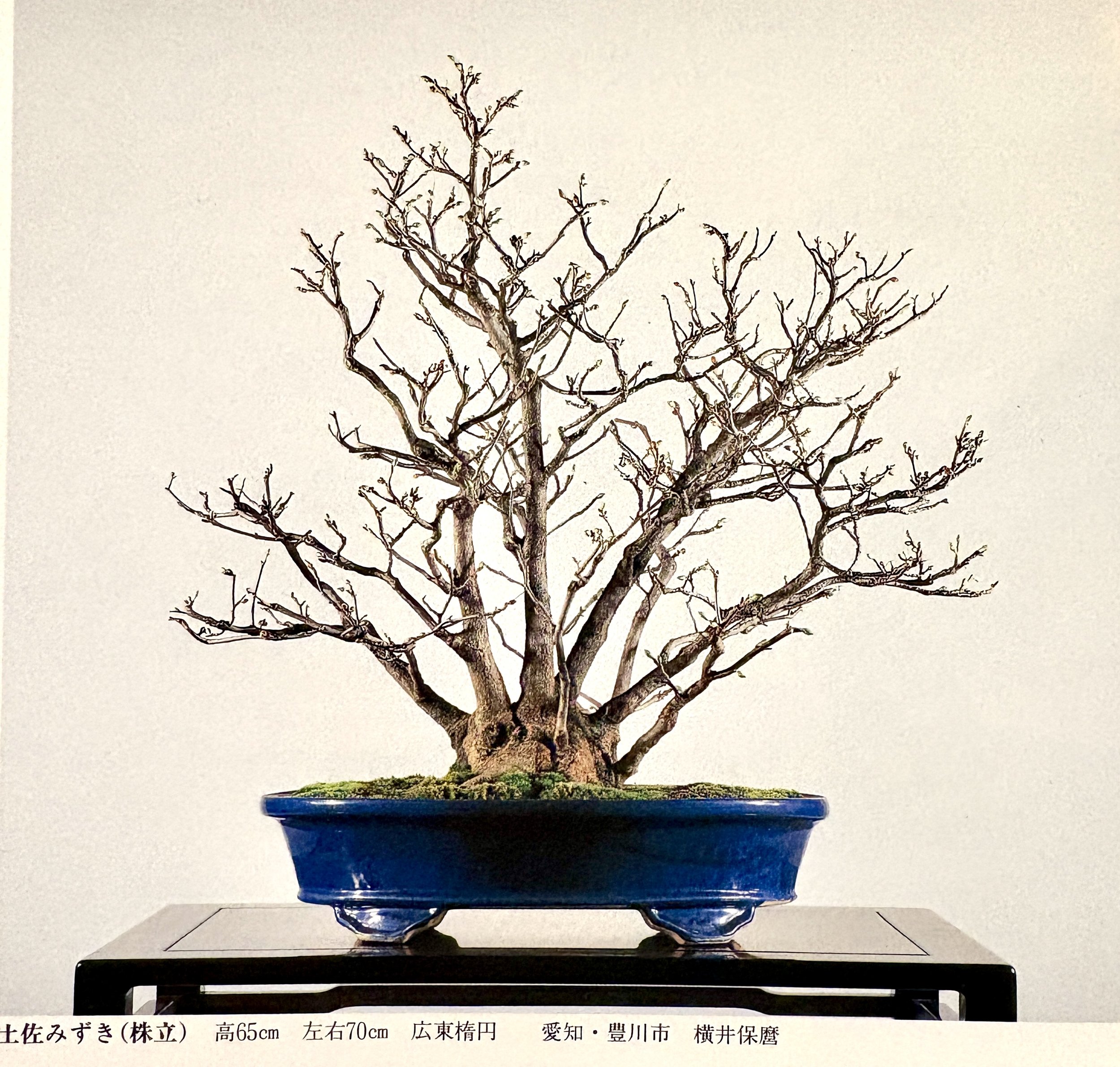
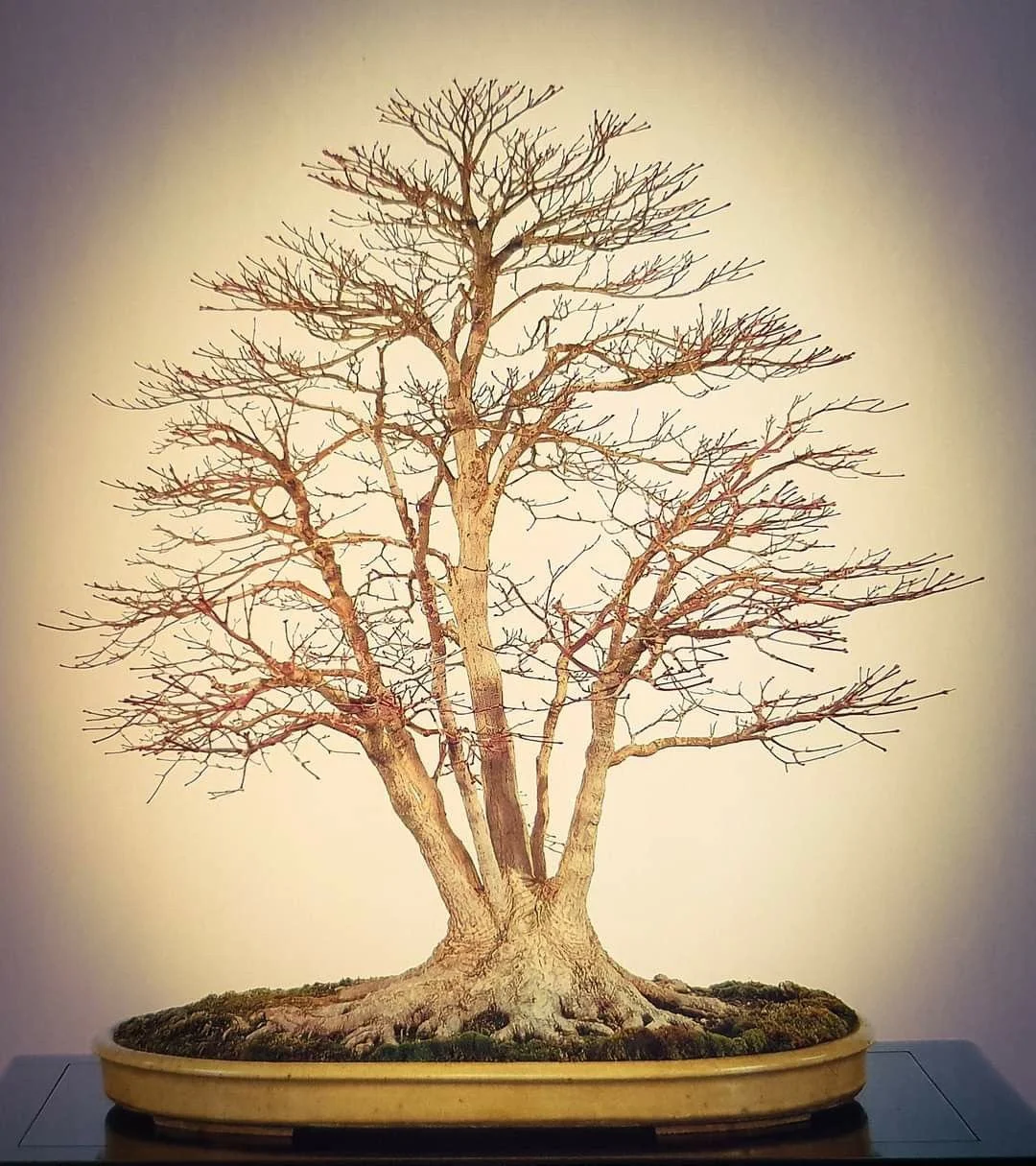
DISCLOSURE: NONE OF THESE IMAGES ARE NOT THE PROPERTY OR CREATION BY THE SITE HOST. AS WITH PINTEREST, THESE ARE COLLECTED IMAGES ONLINE. MANY THANKS TO THOSE WHO SPENT YEARS TO DEVELOP THESE TREES, AND MY APOLOGY FOR NOT CREDITING YOU DIRECTLY
Bonsai Forest:
A Bonsai Forest is an arrangement of multiple bonsai trees planted together in a container to resemble a forest.
Purpose: The aim is to create a miniature landscape that evokes the image of a natural forest.
Technique: It involves planting multiple bonsai trees of a single species (though sometimes different species are used) in a container to create a harmonious composition.
Size: The number of trees is typically determined by the size of the container, with smaller trees requiring smaller containers and larger ones needing larger ones.
Copse:
A Copse is a small wood or thicket, typically consisting of underwood and small trees that are grown to be periodically cut.
Purpose: Traditionally, copses were cultivated for periodic harvesting of wood for fuel or other purposes.
Inspiration for Bonsai: While not a specific bonsai style itself, a copse can serve as inspiration for creating a "bonsai forest" or "group planting" in the context of bonsai, as a copse represents a natural grouping of trees.