Collecting Trip
Practicing what I have learned, and learning more each trip.
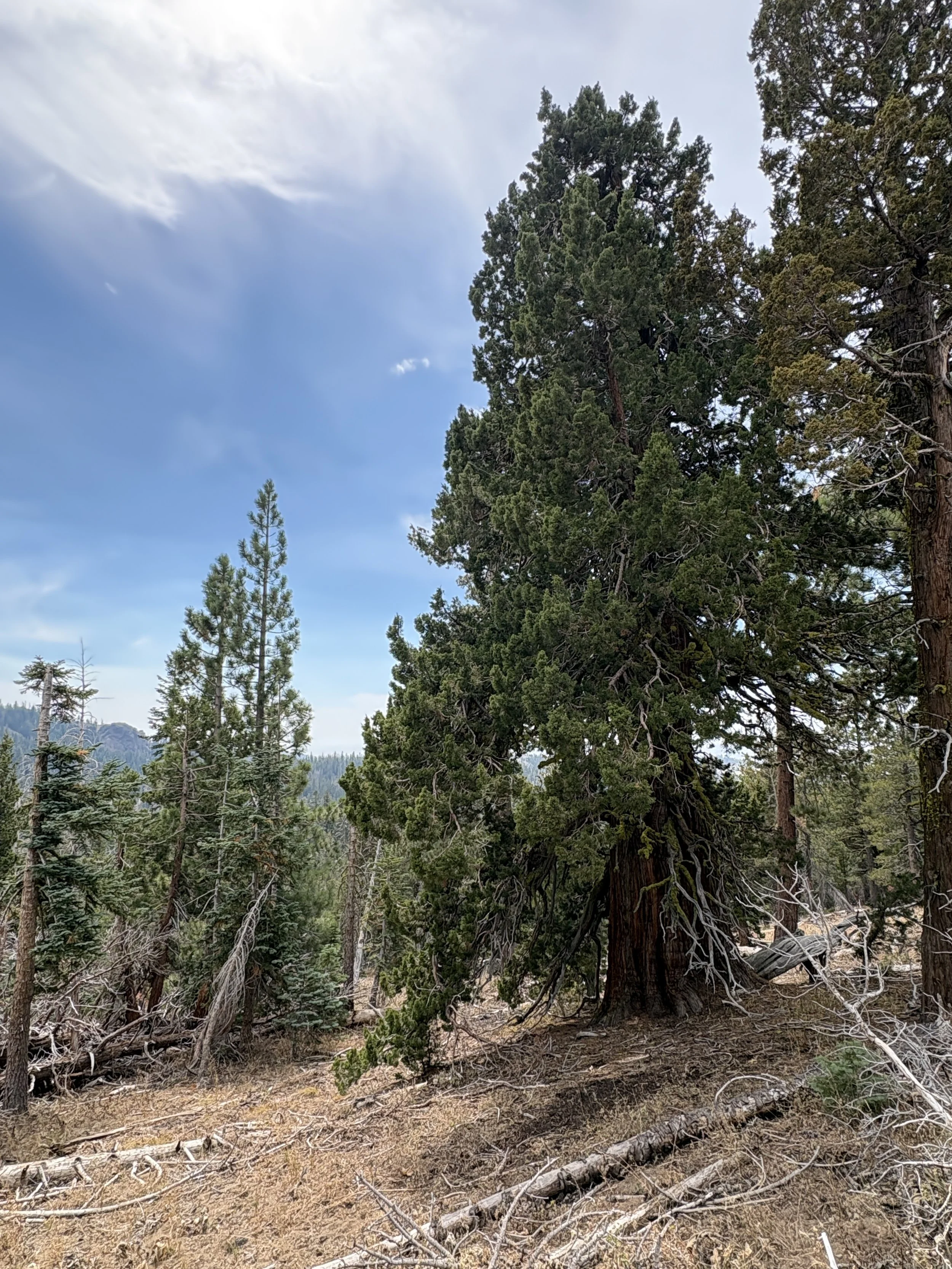
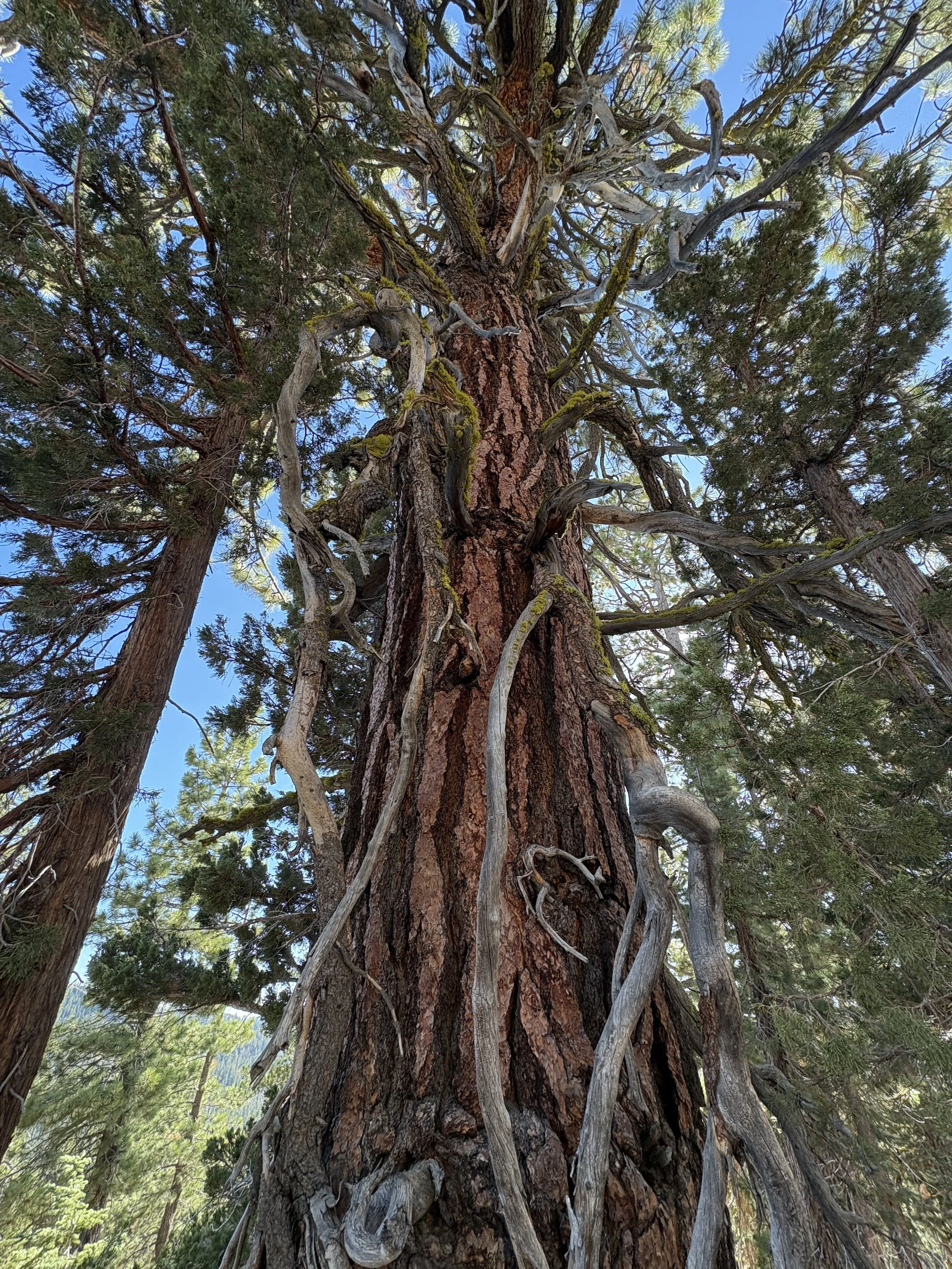
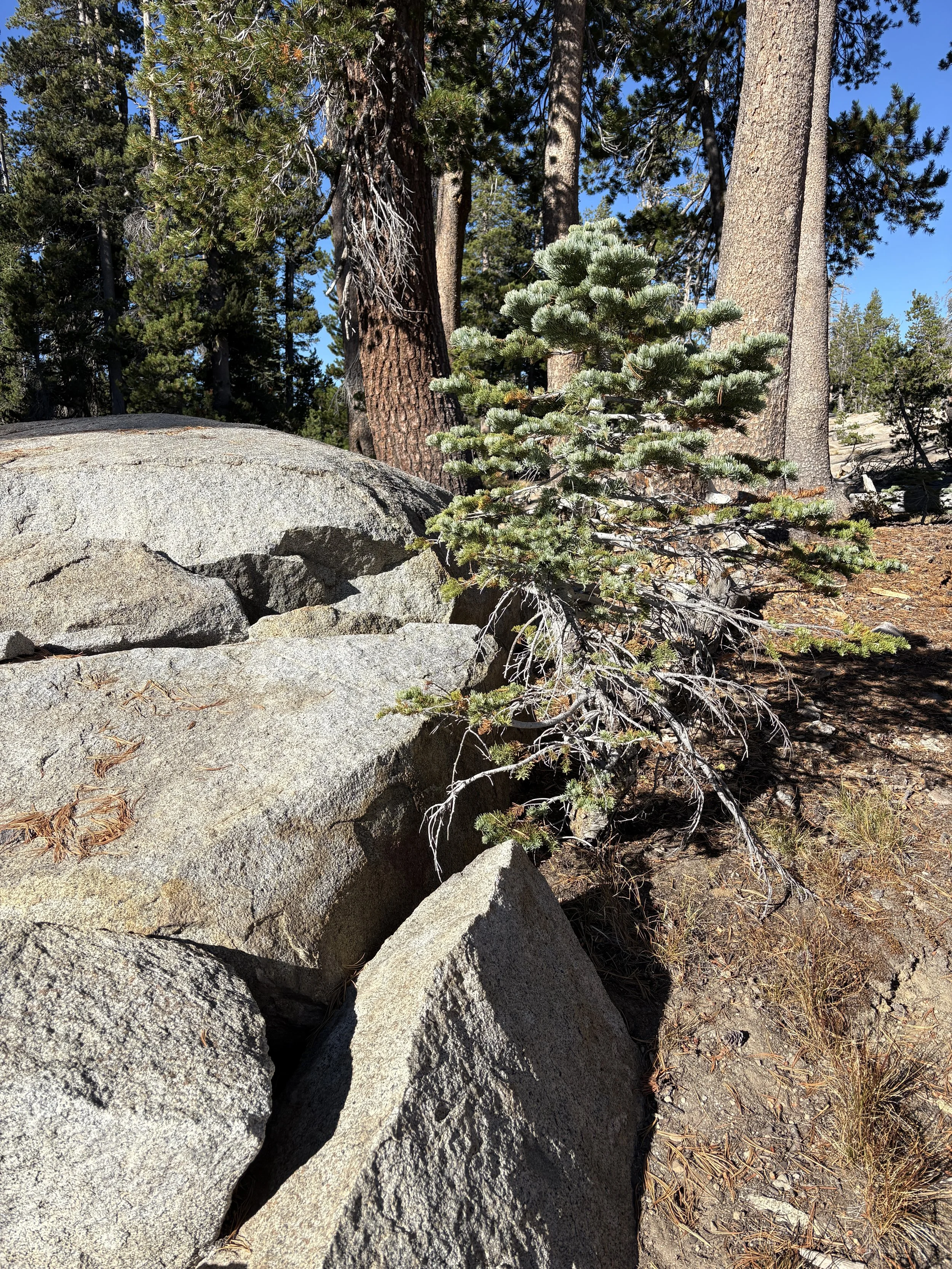
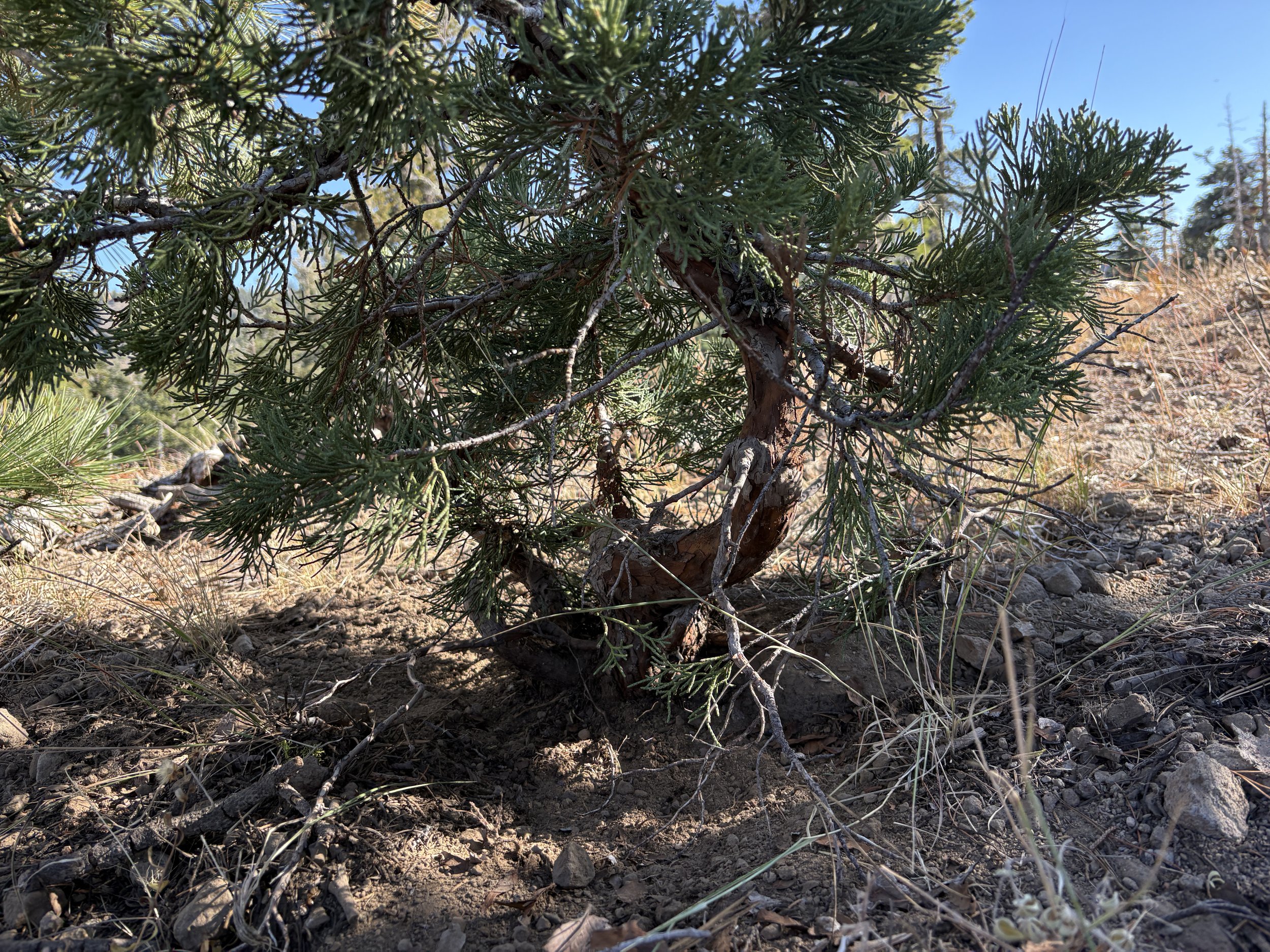
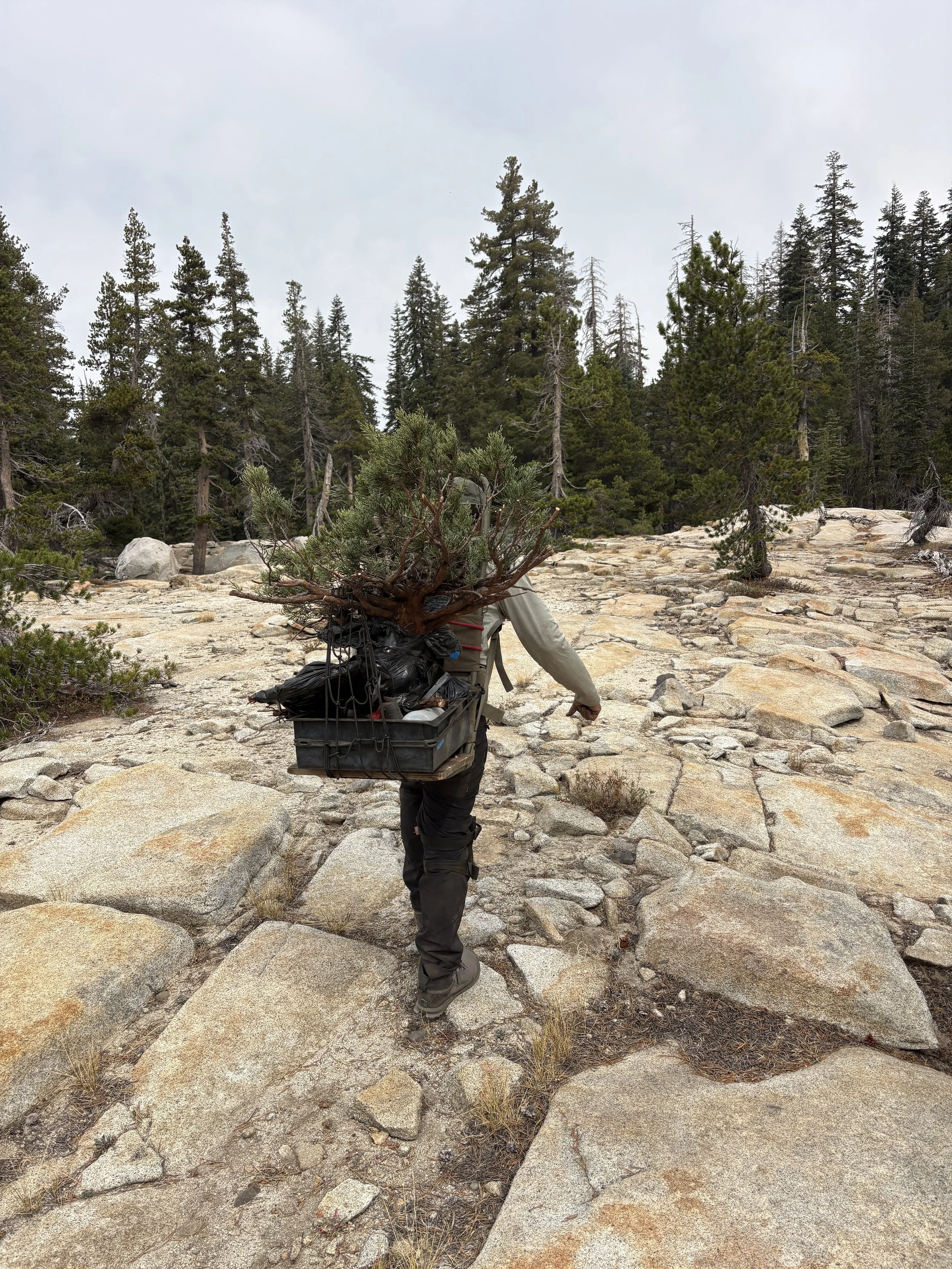
Sierra, near a ridge, growing in organic soil. Easy to remove with a decent root ball. Movement in the branches, but not perfect. Some blue new growth, which is a good sign.
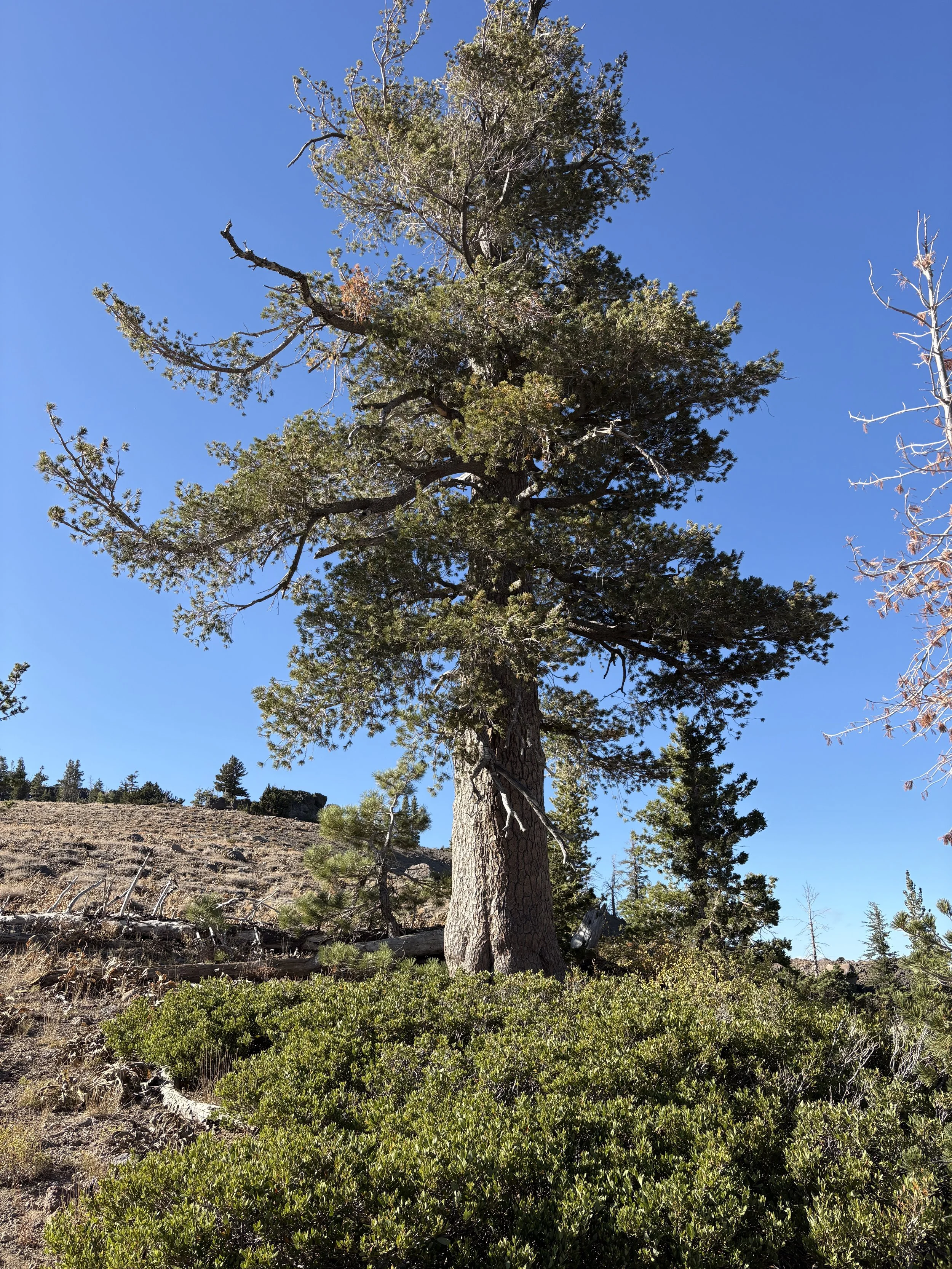
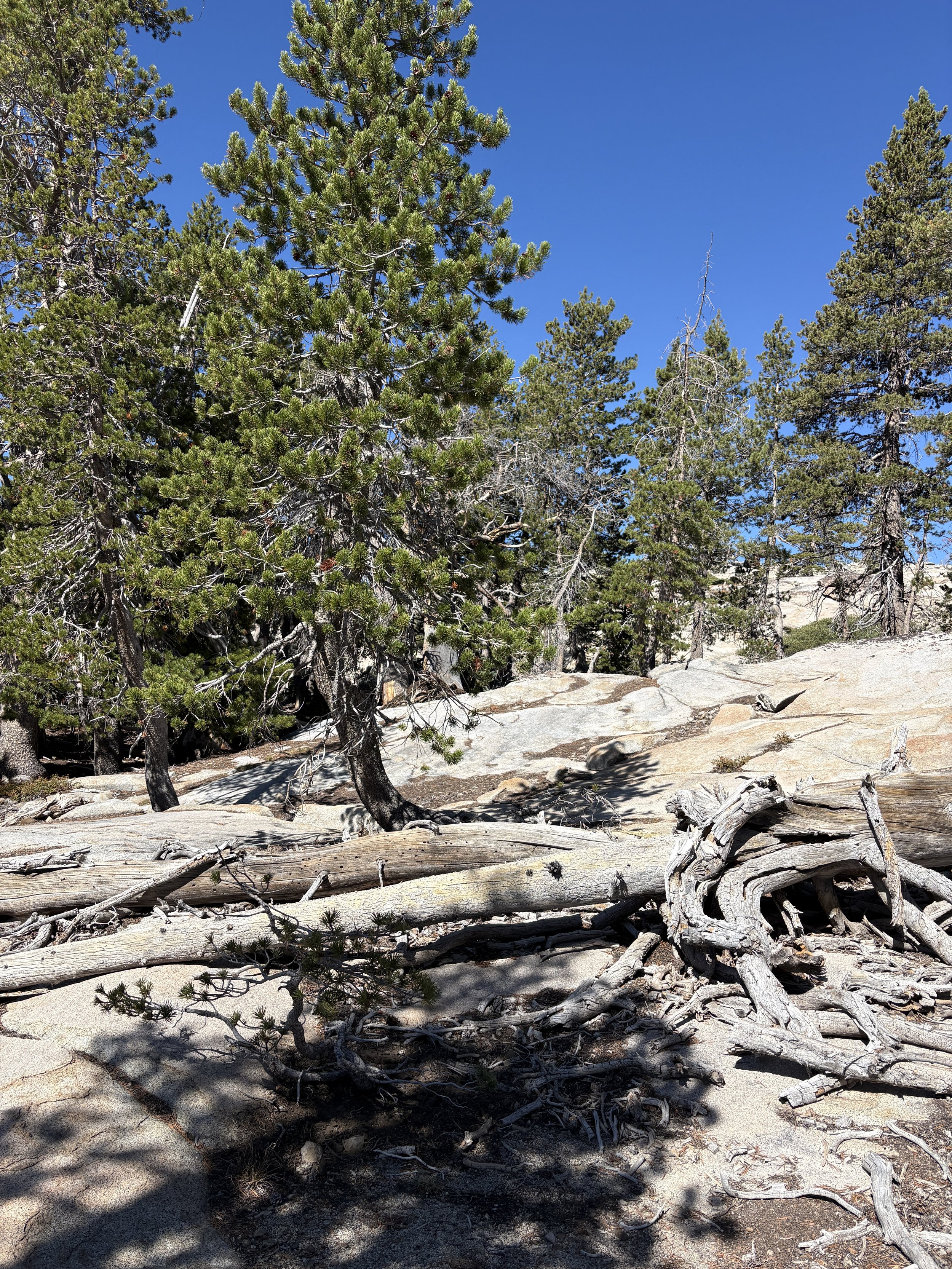
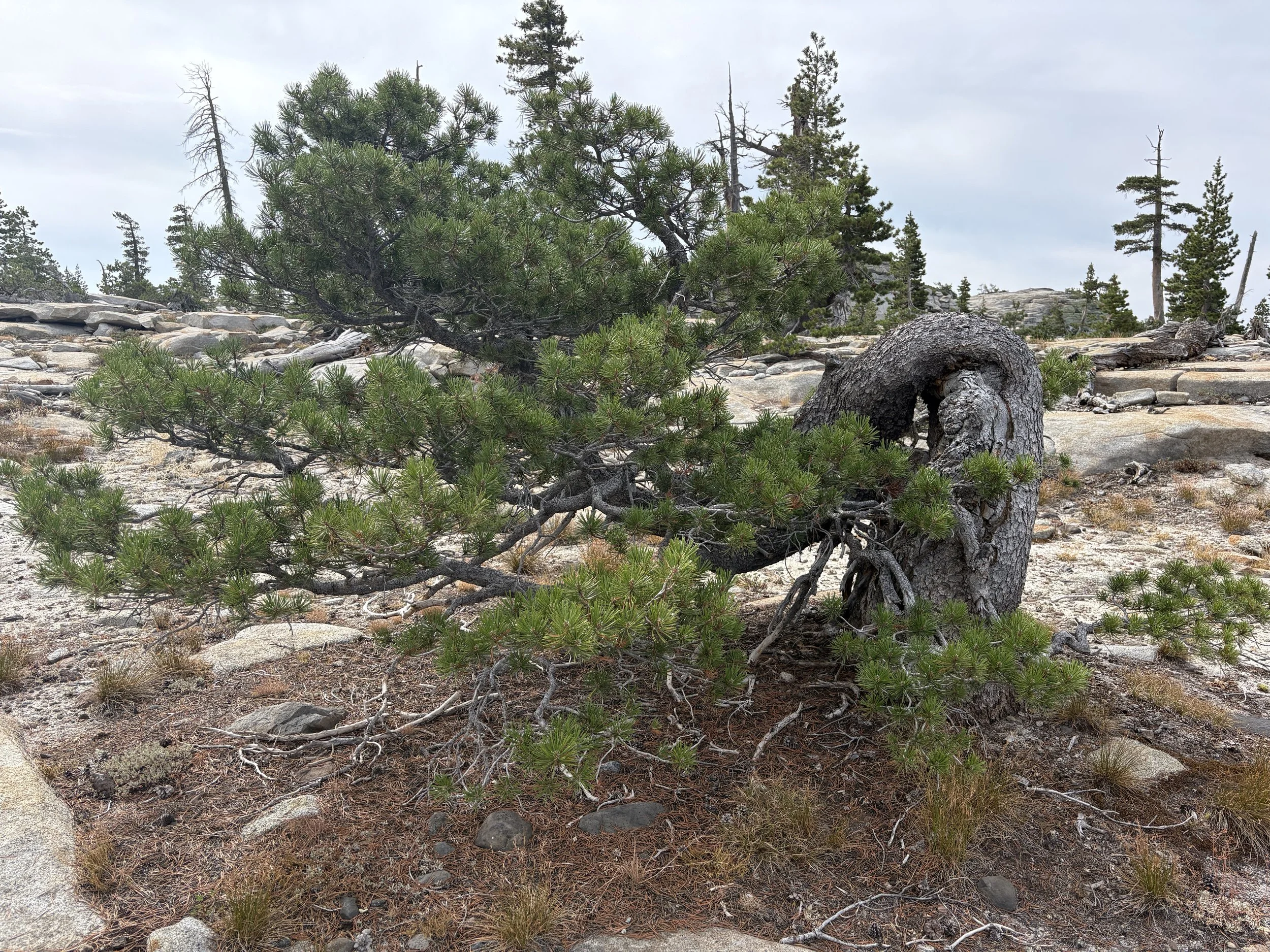
Lodgepole Pine, Shohin sized, fat base and possibly a semi cascade top. Healthy and tight foliage, was growing amongst granite boulders in a pocket of soil.
Lodgepole Pine that has interesting branch movement, but collected at night. Caution that some yellow fungus was seen in a spot and some white cast in some foliage. Might not be worth working on if it dies in a month. Dip in a strong fungicide to prevent bringing disease into the garden.
Tree health was sadly on the decline for many trees. Lodgepole Pines were plagued by a fungal infection that swells branches or erupts in a yellow ooze. White needle rust. Bark Beetles and more.
Journal
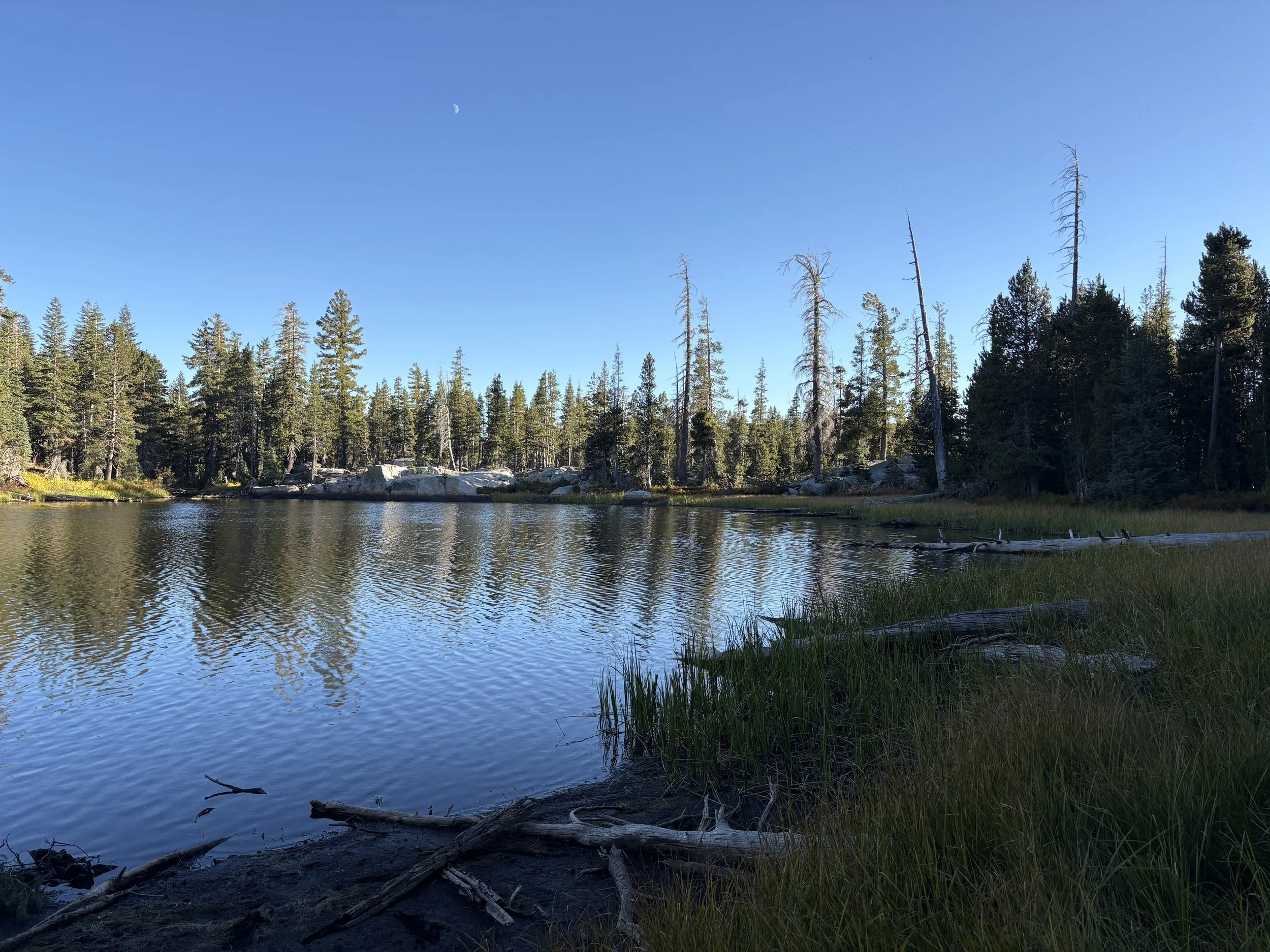
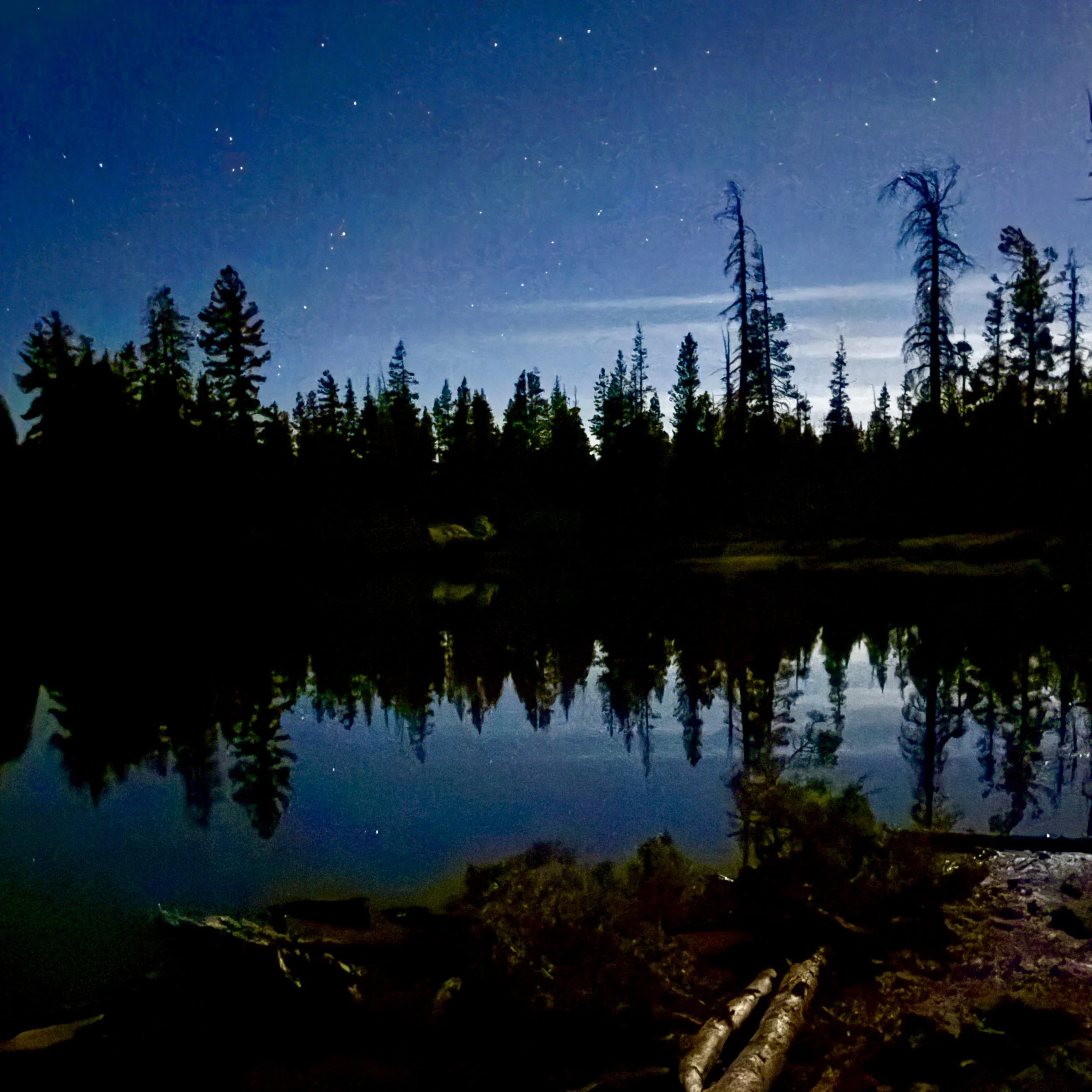
I had the pleasure camping with friends recently, riding along on a 4x4 descent into a valley, somewhere near Tahoe. Off-off-road, we rocked left and right along a pathway, no wider than one car. At the valley floor the trees were densely packed, narrow and tall, everything blanketed in shade. The trail then snaking in a winding path, and opened to a small lake with a handful of lakeside campsites. Zero bar cellular reception, five bar nature’s energy.
Arriving at seven PM, the cow bells ring out across the small lake and granite faces. The surprising presence of domestic cows roam freely across the high alpine grasses. Reminescent of Italian church towers ringing at dusk, sounding the end of the day.
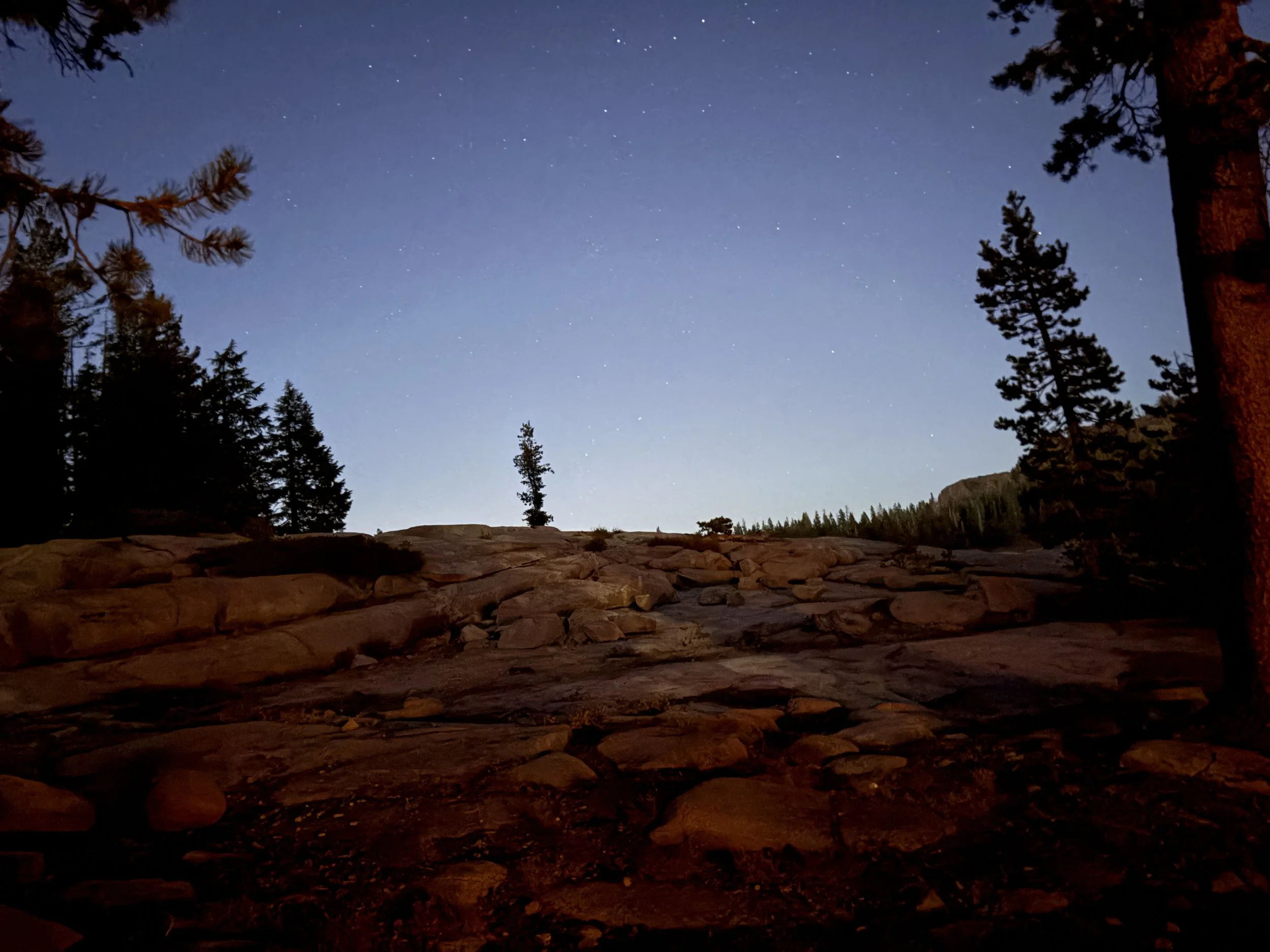
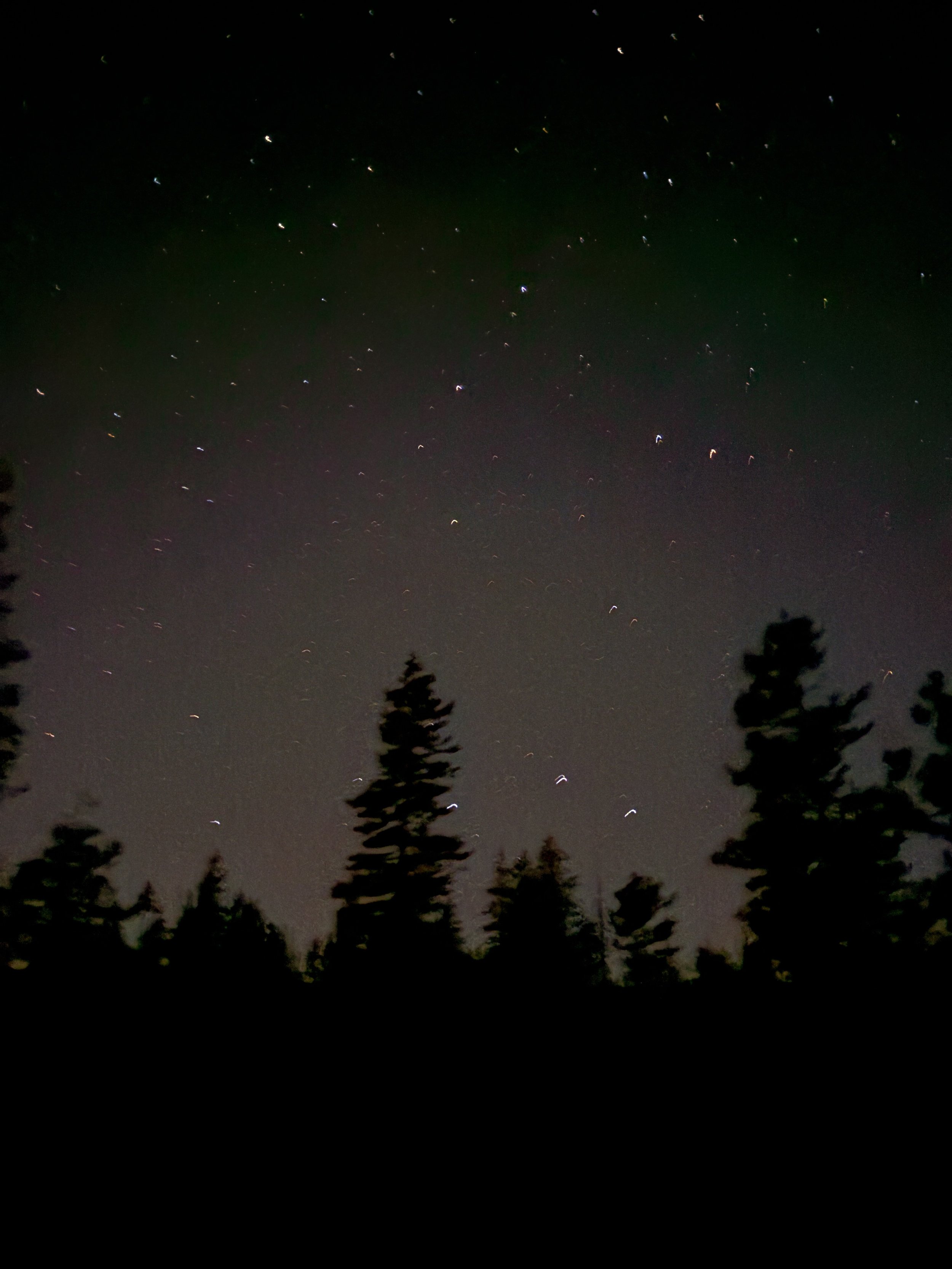
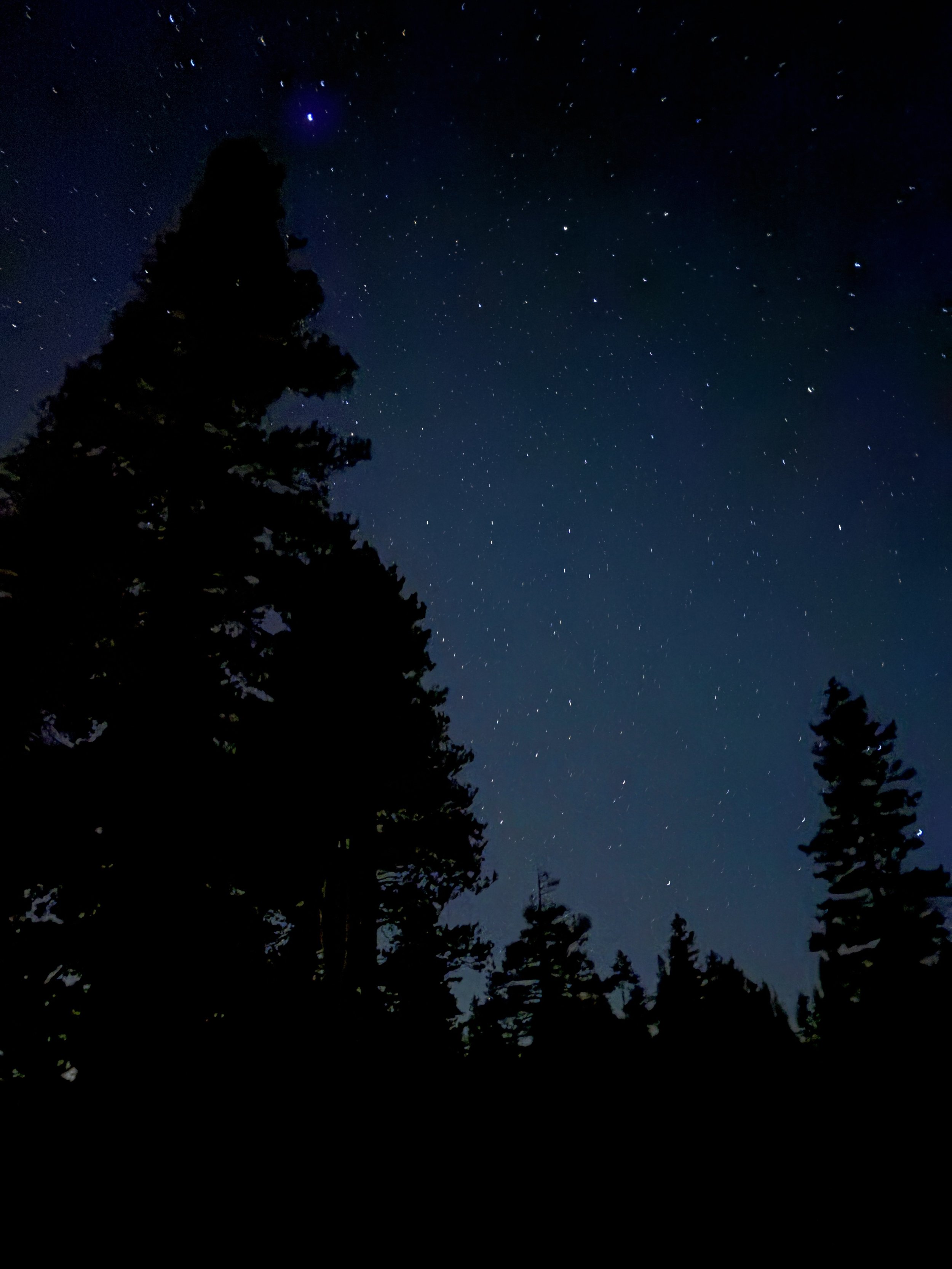
After dinner, under the night sky, we explored for trees until 11:30. By headlamp and pick in hand. Crossing over bear tracks and not able to see further than a few bear-lengths. We tested our fate, and dipped out few collected trees into the edge of the lake. Deep sleep and dreams of bears and junipers.
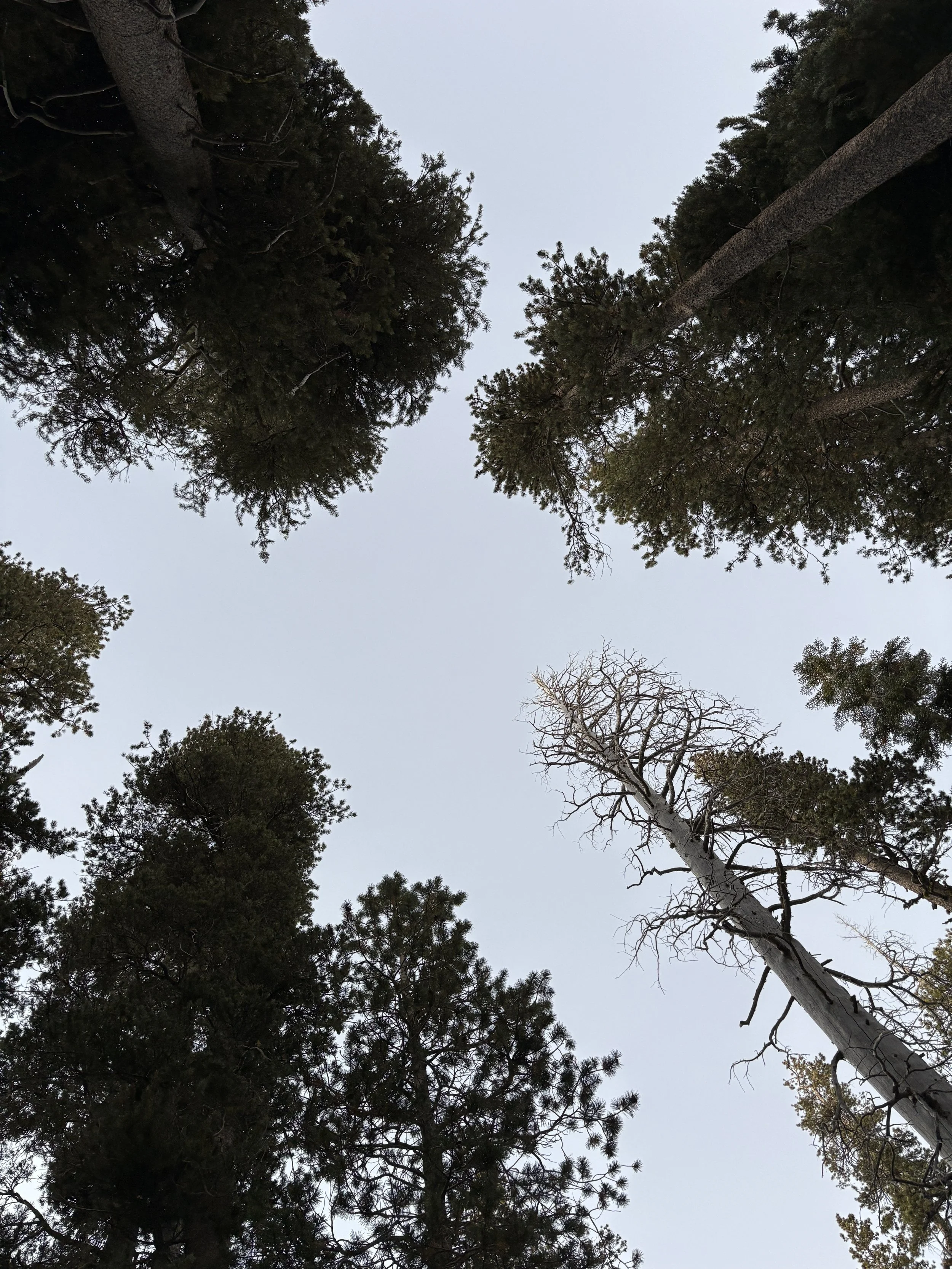
I observed this forest as a collection of diverse trees, living side by side, intertwining branches and sharing or competing for sunlight. It was a harmony of Lodgepole Pines, Red Firs, White Bark Pines, Hemlock, and an occasional Sierra Juniper.
Lodgepoles naturally are tall and narrow, with short branches and compact foliage—and lower branches draping longer and downward like a skirt.
The protected White Bark Pine have a finer, more delicate 3-needle cluster, and a smoother silvery bark—with a trunk having natural movement.
Red firs have organized layers of horizontal flat pads, densely ramified. The short, brightly green needles catch your eye, Older Red Firs have thickly plated bark on slender trunks.
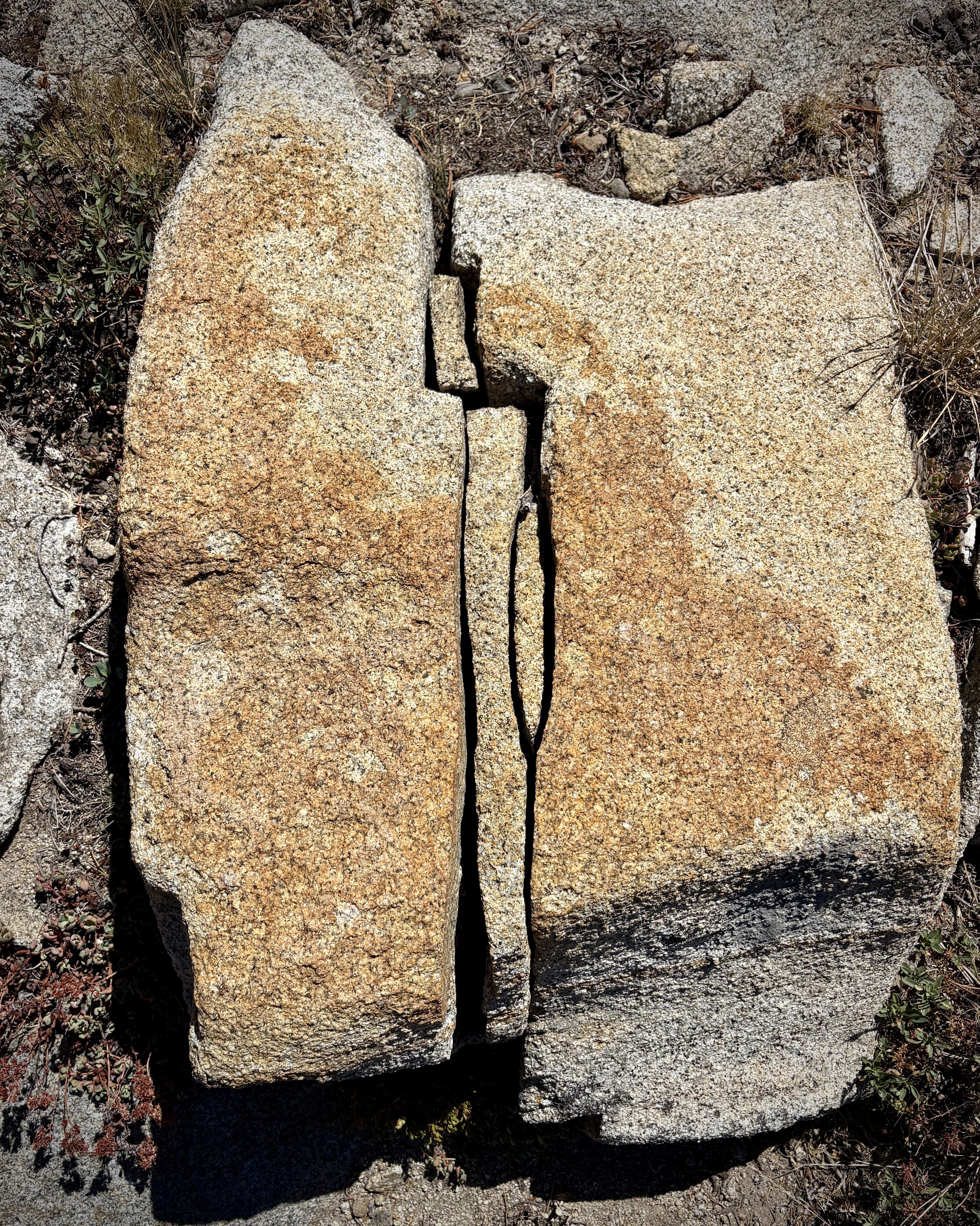
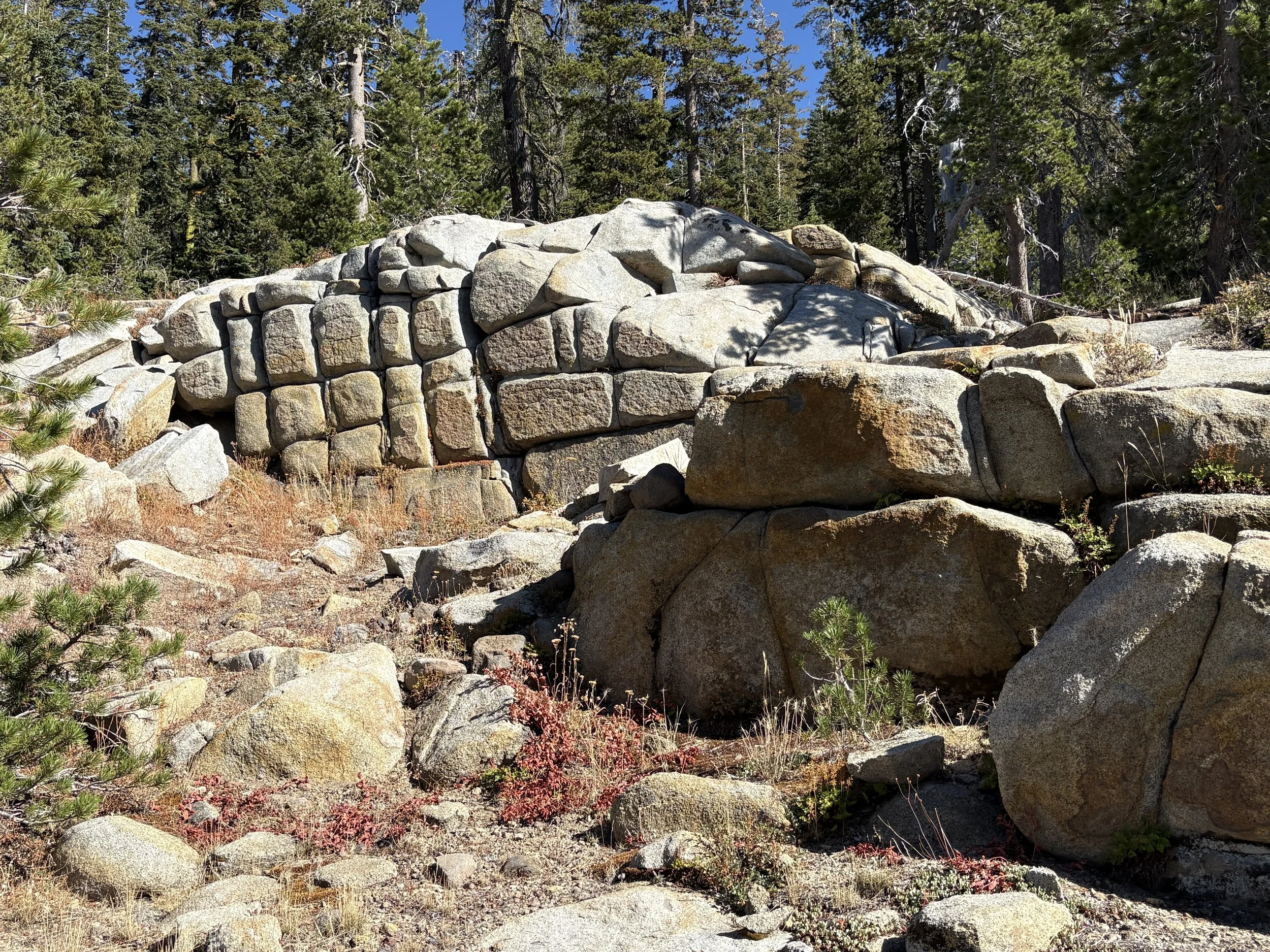
The topography of the valley was composed of granite and volcanic boulders and stones, with the occasional crest of granite sheets like sleeping giants.
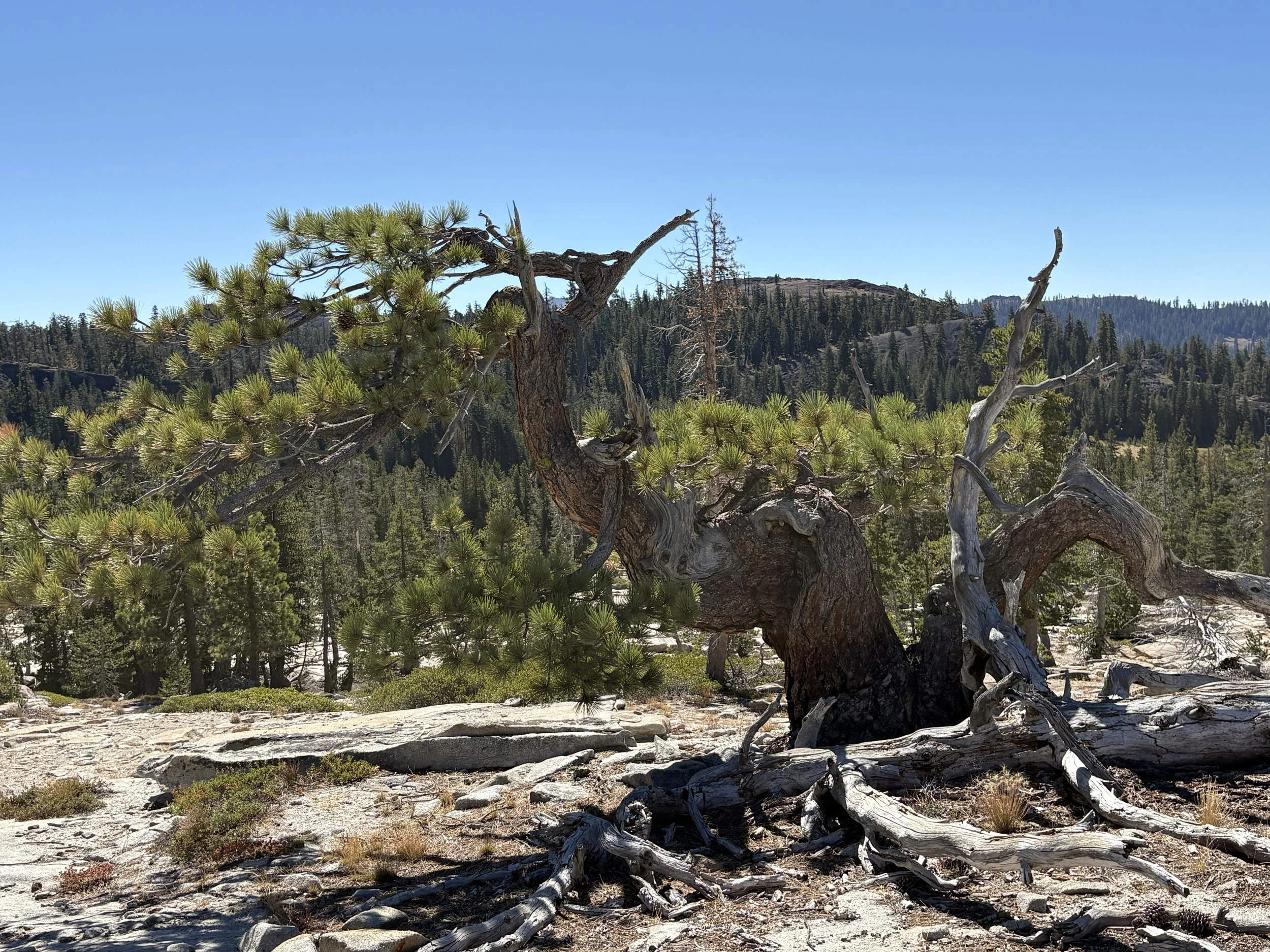
Trees growing near the lake or flatter terrain were densely gathered and appeared healthy and straight, a life with few challenges. Trees growing more sparsely on rocky terrain, exposed to high altitude winds were more sinuous and curved. Generally either two foot tall or thirty feet tall, their movement is a result of constant nudging by weather, and each year’s growth compounds prior years of movement. No two alike, like some interpretive dance by the trees. Trees growing on granite faces, in small pockets or crevices of soil resulted in more squat trees, crouched close to the stone. Others appeared strong and massive with folds of trunk and roots wrapping over the granite. Most having survived decades or centuries on a tap root running between crevices. These trees have the most character and stories of persistence.
Sadly, many trees had been penetrated and weakened by a Bark Beetle, enabling pathogens to invade and slowly kill the tree. So many Lodgepoles exhibited a fungus that swelled under their bark and erupted in a yellow ooze. Needle foliage also showing signs of stress or infection.
Our days were filled with rock hopping, steep hikes, assessing and appreciating trees. The reflected sun off the granite made us sunburn. A weekend of touching nature wore off most of my fingerprints. In a month the weather will shift quickly. As we were packing up, a hunting party was preparing for the hunting season to open next week. They shared that they had hunted these hills for many years, and we tried to humor them with our collecting exploits. Driving out of the valley, rocking left and right, we eventually rejoined civilization on the main road. Quite a memorable trip; I came away with a respect for the resilience of nature, in a delicate balance with pests, pathogens and fire that can cause forests to collapse.
I recommend that you go out and hike, camp, and enjoy nature—and observe the rich textures, colors and shape of trees—as inspiration for your bonsai.